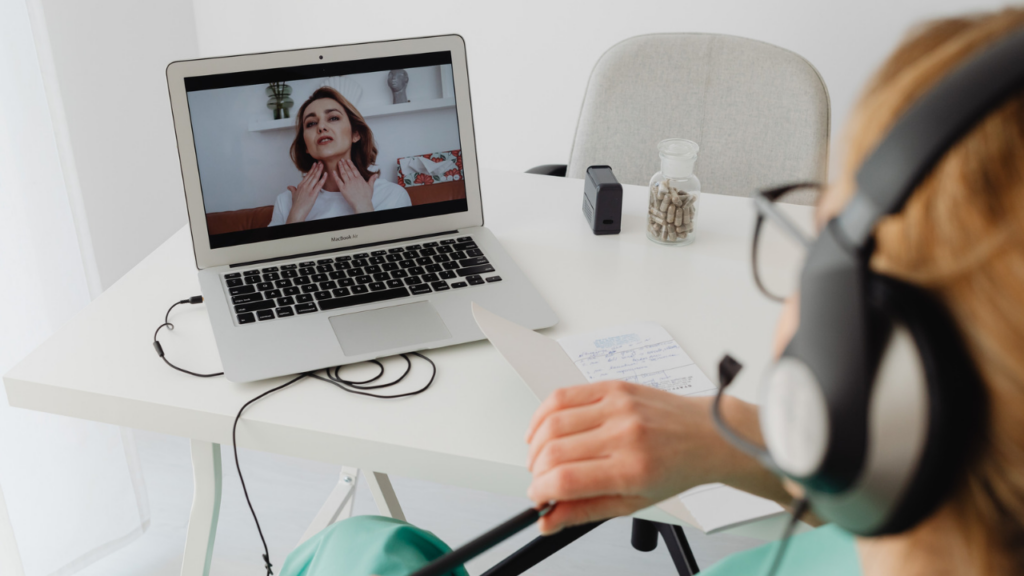



If you are feeling stretched thin in your current role, you are not alone. Many clinicians are juggling packed schedules, constant transitions, and the emotional weight of supporting students all day. In school-based settings, the role rarely stays contained to therapy sessions. There are meetings, coverage, paperwork, and daily disruptions that make it hard to feel in control of your time. It makes sense that more clinicians are starting to explore remote therapy jobs as a way to make the work feel more sustainable. This shift is about finding a structure that supports a better work life balance for therapists. In this article, we will look at what actually changes in a remote role and how those changes can impact clinician burnout and overall mental health.
In this article:
- Why Clinician Burnout Is Leading More Professionals to Remote Therapy Jobs
- What Remote Therapy Jobs Actually Look Like Day to Day
- The Mental Health Benefits of Remote Therapy Jobs
- Are Remote Therapy Jobs Worth It? What Clinicians Should Know
- Common Concerns About Switching to Remote Therapy Jobs
- Who Remote Therapy Jobs Are a Good Fit For
- How to Transition into Remote Therapy Jobs
- Exploring Remote Therapy Jobs with the Right Support
- Frequently Asked Questions
Why Clinician Burnout Is Leading More Professionals to Remote Therapy Jobs
Clinician burnout and therapist burnout are becoming harder to ignore, especially in school-based settings. The workload has expanded well beyond direct services, and many clinicians are spending large parts of their day on responsibilities that are not actually therapy. Coverage, meetings, paperwork, testing, and constant schedule changes all add up. Even when the intention is to support the school as a whole, it often leaves clinicians feeling pulled in too many directions at once.
One of the biggest challenges is the lack of control over the day. Schedules can shift unexpectedly, sessions get interrupted, and students are not always available when planned, which means priorities are constantly being rearranged. Over time, that unpredictability makes it difficult to build any kind of daily flow or consistency. It also makes it harder to feel effective in your role, even when you are doing everything you can to support your students.
There is also an emotional layer that is easy to overlook. Moving from one student to the next, often across different classrooms or buildings, requires constant adjustment. You are shifting your approach throughout the day while also keeping up with expectations from teachers, administrators, and families. That kind of pace can wear on you, especially when there is very little time to reset between sessions.
For many clinicians, this is the point where something starts to shift. The question is no longer whether the workload is heavy. It is whether the structure of the job is sustainable long term. That is why more professionals are beginning to look into remote therapy jobs. Not because they want to do less, but because they want a way of working that allows them to focus on therapy, maintain consistency, and feel more in control of their time.
What Remote Therapy Jobs Actually Look Like Day to Day
When clinicians start exploring remote therapy jobs, one of the biggest questions is what the day actually feels like. While every role is different, many online therapy jobs are structured in a way that creates more consistency and focus throughout the day.
Here is what that often looks like:
- A more predictable schedule
Sessions are typically planned and protected, which makes it easier to move through the day without constant changes. - More dedicated therapy time
You are less likely to be pulled for coverage, extra duties, or last-minute tasks outside of your role. - A work from home environment
Working from your own space removes the need to move between classrooms or buildings and gives you more control over your setup. - Fewer daily transitions
Instead of physically moving from one space to another, you are able to shift between sessions more smoothly, which can make the day feel more manageable.
For many clinicians, these changes do not necessarily make the work easier, but they do make it more structured and predictable. That difference alone can have a noticeable impact on how the workday feels.
The Mental Health Benefits of Remote Therapy Jobs
One of the biggest reasons clinicians start exploring remote therapy jobs is how much the structure can impact day-to-day stress. The mental health benefits of remote work are not about doing less. They come from having a more consistent, controlled way of working that supports a better work life balance for therapists.
Reduced Daily Stress and Fewer Transitions
In many school settings, the day can feel unpredictable. Moving between classrooms, adjusting to schedule changes, and managing interruptions can make it hard to stay grounded. Remote roles tend to offer a more controlled environment, where sessions run on a steadier schedule and there is less shifting throughout the day.
More Energy Outside of Work
When the workday feels less scattered, it often leaves more energy at the end of it. Clinicians are not finishing the day as drained, which can make a real difference in how they show up in their personal lives.
Better Boundaries Between Work and Home Life
Working from home can make it easier to create a clear start and end to the day. Without commuting or unexpected after-hours responsibilities, it is easier to step away and protect your time.
Increased Autonomy and Control
Many clinicians notice a shift in how much control they have over their schedule, environment, and workflow. That autonomy can reduce stress and help the work feel more manageable day to day.
A Better Fit for Clinicians with Anxiety, ADHD, or Sensory Needs
For clinicians who experience anxiety, ADHD, autism, or other sensory or processing differences, the typical school environment can be especially demanding. Noise levels, constant interruptions, and unpredictable schedules can make it harder to stay regulated and focused. Remote therapy jobs often provide a quieter, more controlled setting, which can support focus, reduce overstimulation, and make the work feel more sustainable.
Less Exposure to School-Based Social Stress and Workplace Politics
School environments come with a lot of interpersonal dynamics. Navigating staff relationships, communication styles, and building-level expectations can add an extra layer of stress to the day. Remote roles tend to reduce some of that day-to-day social pressure, allowing clinicians to focus more on their work with students and less on the surrounding dynamics.
Are Remote Therapy Jobs Worth It? What Clinicians Should Know
Are remote therapy jobs worth it? For many clinicians, the answer is yes, but not because the work suddenly becomes easy or stress-free.
Remote roles still come with expectations, caseloads, and responsibilities. You are still planning, documenting, collaborating, and supporting students in meaningful ways. What tends to change is the structure around the work. That shift can make the day feel more manageable and, for many, more sustainable over time.
When clinicians talk about the benefits of teletherapy for clinicians, they often point to consistency, fewer disruptions, and a greater sense of control over their environment. Those factors can have a real impact on mental health. Instead of constantly reacting to the day, there is more opportunity to move through it with intention.
That said, we fully realize that remote work is not the right fit for everyone. Some clinicians miss the in-person connection or prefer a more active, on-site environment. Others need time to adjust to the technology or pacing of virtual sessions.
For clinicians who feel stretched thin in traditional settings, though, remote therapy jobs can offer a way to stay in the field without continuing down the same path that led to burnout. It is less about finding a perfect job and more about finding a structure that supports your long-term ability to keep doing this work.
Common Concerns About Switching to Remote Therapy Jobs
It is normal to have questions before making a change. Many clinicians look into online therapy jobs and wonder what they might be giving up, not just what they might gain.
Will I Feel Isolated Working Remotely?
This is one of the most common concerns. Working from home can feel different, especially if you are used to being in a busy school environment. That said, many remote roles are built with collaboration in mind. Regular check-ins, team meetings, and ongoing communication with schools help maintain connection. For some clinicians, the shift actually reduces stress while still keeping meaningful professional interaction.
Is Teletherapy Effective for Students?
A lot of clinicians ask, is teletherapy effective? Research and real-world experience continue to show that it can be, especially when services are consistent and well-supported. Students often respond well to structured virtual sessions, and progress can look very similar to in-person therapy when the model is implemented thoughtfully.
Do Remote Therapy Jobs Pay Less?
Not necessarily. Pay can vary depending on the company, structure, and whether the role includes direct and indirect time. Some clinicians find that remote roles offer comparable compensation, especially when you factor in reduced commuting costs and more predictable schedules.
Who Remote Therapy Jobs Are a Good Fit For
Remote therapy jobs are not one-size-fits-all, but they tend to appeal to clinicians looking for a more sustainable way to stay in the field. Many professionals exploring remote SLP jobs or teletherapy jobs for SLPs are not trying to leave their careers. They are trying to make them work long term.
Burned-out clinicians are often the first to consider this shift. A remote role can ease some of the daily strain that builds in traditional settings and make the work feel more manageable.
Mid-career professionals are another strong fit. After a few years in the field, priorities often shift toward balance, consistency, and longevity.
Remote roles also work well for clinicians who need more flexibility, whether that is for family, health, or simply more control over their day.
For many, it comes down to this: remote therapy jobs offer a way to stay in the profession without continuing in a setting that no longer works.
How to Transition into Remote Therapy Jobs
If you are starting to look into remote therapy jobs, including teletherapy roles across disciplines, the transition does not have to feel overwhelming. Most clinicians already have the core skills they need. The focus is on finding a role that is structured well and supports you through the shift.
A good first step is understanding what you want your day to look like. Think about schedule, caseload, and how much flexibility you need. That will help you narrow down which opportunities are actually a good fit.
As you start exploring options, pay close attention to how different companies are set up. The structure behind the role can make a big difference in your experience.
Here are a few things to look for:
- Support model
Look for companies that offer consistent support, not just during onboarding. Ongoing guidance, problem-solving, and access to resources matter once you are in the role. - Communication
Clear, reliable communication with both the company and the school is key. You should know who to go to with questions and feel confident that you will get timely responses. - Mentorship
Especially if you are new to teletherapy, having access to mentors or experienced clinicians can make the transition much smoother.
Making the switch to remote work is less about learning an entirely new job and more about stepping into a different structure. When that structure is strong, the transition tends to feel much more manageable.
Exploring Remote Therapy Jobs with the Right Support
As more clinicians consider remote therapy jobs, one thing becomes clear pretty quickly: the setting matters less than the support behind it. Two teletherapy jobs can look similar on paper but feel very different depending on how they are structured.
At Lighthouse Therapy, the focus is on building a model that supports clinicians in a real, day-to-day way. As a clinician-founded and clinician-led organization with no outside investors, decisions are made with both clinicians and students in mind. That shows up in how support is structured, how communication is handled, and how roles are designed.
Consistent communication, access to mentorship, and reliable systems all play a role in making teletherapy jobs feel stable. Clinicians have access to guidance when they need it, along with a team that understands the realities of the work. The goal is not just to place clinicians, but to create an environment where they can do their best work and feel supported doing it.
If you’re starting to explore remote therapy jobs, it can help to look closely at how different providers support their clinicians. The structure behind the role often makes the biggest difference in how sustainable it feels long term.
Frequently Asked Questions
Are remote therapy jobs worth it?
For many clinicians, remote therapy jobs are worth it because they offer a more predictable and manageable work structure. While the responsibilities of the role remain, the consistency and reduced daily disruptions can make the work feel more sustainable over time.
Is teletherapy effective for students?
A common question is, is teletherapy effective? In many cases, yes. When services are consistent and well-supported, students can make strong progress in a virtual setting. Outcomes often depend more on the quality and consistency of services than the setting itself.
Do therapists make less working remotely?
Not necessarily. Compensation can vary by company and role, but many remote positions offer comparable pay, especially when factoring in reduced commuting time and more predictable schedules.
What are the benefits of teletherapy for clinicians?
The benefits of teletherapy for clinicians often include improved work life balance, fewer daily disruptions, and greater control over their environment and schedule. These factors can support better mental health and long-term sustainability in the field.