

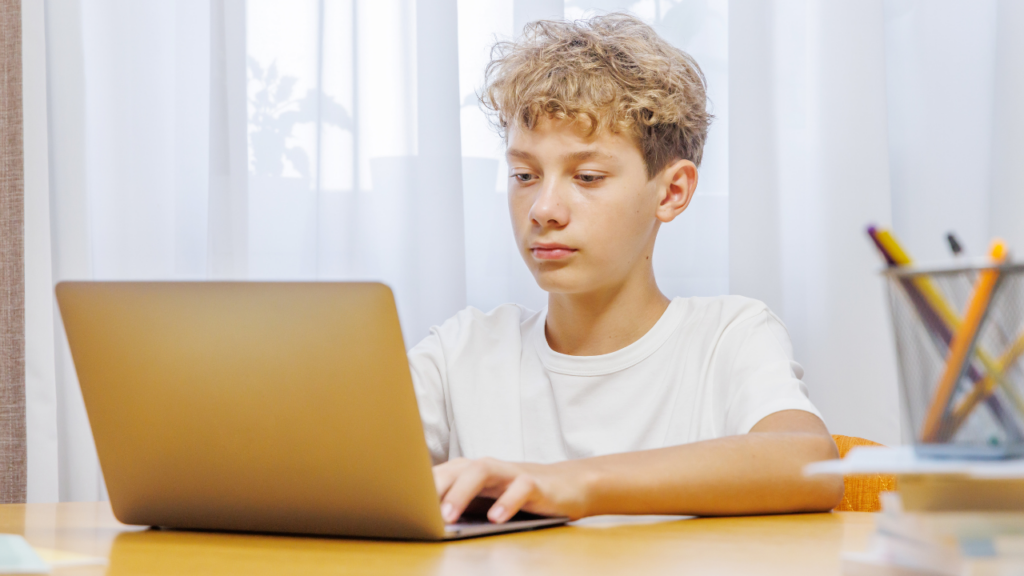
When schools first consider ask is teletherapy effective for special education, the question usually isn’t about the technology. It’s whether students will receive the same quality of care and make meaningful progress. It’s a fair question, and one that’s backed by a growing body of research. In this article, we’ll explore what the evidence says, which services are well suited for teletherapy, and what schools can do to set students up for success.
In this article:
- What Does the Research Say About Teletherapy for Special Education?
- Is Teletherapy as Effective as In-Person Therapy?
- Which Special Education Services Work Well Through Teletherapy?
- Which Students Benefit the Most from Teletherapy?
- When Might In-Person Services Be a Better Fit?
- What Makes School Teletherapy Successful?
- Common Myths About Teletherapy
- Frequently Asked Questions
What Does the Research Say About Teletherapy for Special Education?
Research over the past decade has consistently shown that effective teletherapy for special education can be a legitimate way to deliver services when it’s implemented thoughtfully. Professional organizations across multiple disciplines recognize teletherapy as an appropriate service delivery model, and studies have found that many students make progress comparable to those receiving in-person services.
Speech-Language Pathology
Speech-language pathology has one of the strongest bodies of research supporting teletherapy. Studies have found that students receiving virtual speech-language services can achieve outcomes similar to those receiving in-person therapy. The American Speech-Language-Hearing Association (ASHA) also recognizes telepractice as an appropriate way to deliver speech-language services when clinically appropriate.
Occupational Therapy and Physical Therapy
Research and guidance from the American Occupational Therapy Association (AOTA) and the American Physical Therapy Association (APTA) support teletherapy as an effective option for many school-based occupational and physical therapy services. While some students may benefit more from hands-on, in-person intervention, virtual OT and PT can effectively address goals related to fine and gross motor skills, mobility, functional independence, self-regulation, executive functioning, and participation in school routines. Teletherapy also allows therapists to collaborate closely with teachers, paraprofessionals, and caregivers to help students practice and reinforce skills throughout the school day.
Mental Health and School Psychology
Teletherapy has also expanded access to school counseling, behavioral health services, and school psychology support. Professional organizations recognize virtual services as an effective way to increase access to qualified providers, particularly in districts facing staffing shortages or serving rural communities. Virtual counseling, consultation, and many school psychology services can help ensure students continue receiving the support they need, even when in-person providers are difficult to find.
Special Education Teaching
Teletherapy isn’t limited to related services. Many school districts also use virtual special education teachers to provide specially designed instruction, support IEP implementation, collaborate with general education teachers, and monitor student progress. When paired with strong communication, evidence-based instruction, and the right technology, virtual special education services can help districts maintain continuity of learning while ensuring students receive the individualized support outlined in their IEPs.
Overall Findings Across School-Based Services
Across disciplines, the research points to a similar conclusion: teletherapy is effective for special education when students are appropriately matched to virtual services and clinicians use evidence-based practices. In many cases, student outcomes depend less on whether services are delivered online or in person and more on the quality of the clinician, collaboration with school staff, and consistent implementation.
Is Teletherapy as Effective as In-Person Therapy?
One of the most common questions school leaders and families ask is whether students make the same progress through teletherapy as they would with in-person services. The growing body of research suggests that, for many students, the answer is yes. While teletherapy isn’t the right fit for every situation, studies have found that outcomes are often comparable when services are delivered by qualified clinicians using evidence-based practices.
Here’s how teletherapy compares across several important areas.
Student Outcomes
Research has found that many students receiving teletherapy achieve outcomes similar to those participating in traditional, in-person services. Success depends less on where therapy takes place and more on whether the intervention is appropriate for the student’s needs and delivered consistently.
Goal Progress
Students can make meaningful progress toward their IEP goals through both virtual and in-person services. Factors that have the greatest impact on progress include:
- Receiving services consistently
- Working with a qualified clinician
- Using evidence-based interventions
- Regularly monitoring progress and adjusting instruction as needed
For many districts, teletherapy helps prevent service interruptions caused by staffing shortages, allowing students to continue making progress rather than missing services altogether.
Student Engagement
One common misconception is that students can’t stay engaged during virtual sessions. In reality, engagement often depends on the clinician’s approach and the student’s individual needs rather than the delivery method itself.
Many teletherapists use interactive activities, digital games, virtual manipulatives, and screen-sharing tools to keep students actively involved throughout each session. While some students may benefit more from in-person instruction, many participate successfully in a virtual environment.
Attendance and Consistency
Teletherapy can improve consistency by reducing cancellations related to provider travel, staffing vacancies, or scheduling challenges. This can help districts:
- Reduce missed therapy sessions
- Maintain continuity of services
- Fill vacancies more quickly
- Ensure students receive services outlined in their IEPs
Consistent service delivery often plays a larger role in student success than whether services are provided virtually or in person.
Parent and Teacher Collaboration
Teletherapy can also strengthen collaboration between clinicians, educators, and families. Virtual platforms often make communication easier and provide more opportunities to share strategies that can be reinforced outside of therapy sessions.
Benefits may include:
- More frequent communication between providers and school staff
- Easier collaboration during IEP implementation
- Greater caregiver understanding of therapy goals
- Better carryover of skills in the classroom and at home
The Bottom Line
Research suggests that teletherapy is effective for special education for many students and services, with outcomes that are often comparable to in-person therapy. However, no single service delivery model is right for every student. The most effective approach is the one that aligns with the student’s individual needs, provides consistent access to qualified professionals, and supports ongoing collaboration between the school, clinicians, and families.
Which Special Education Services Work Well Through Teletherapy?
While every student has unique needs, many special education services can be delivered effectively through teletherapy. The key is matching the service, the student, and the clinician to determine the best approach. Here are some of the services that are commonly and successfully provided in a virtual setting.
Speech-Language Therapy
Speech-language therapy is one of the most established and widely used teletherapy services in schools. Virtual sessions can effectively support students working on:
- Articulation and speech sound disorders
- Expressive and receptive language
- Fluency
- Social communication and pragmatic language
- Voice therapy
- AAC implementation and support
Interactive digital activities, screen sharing, and online language games help keep students engaged while allowing clinicians to monitor progress and adjust instruction in real time.
Occupational Therapy
Many occupational therapy goals translate well to a virtual environment. Teletherapy allows occupational therapists to coach students, teachers, and caregivers while addressing skills that support success in the classroom.
Common focus areas include:
- Fine motor skills
- Visual motor integration
- Executive functioning
- Self-regulation
- Handwriting
- Organization and classroom participation
- Activities of daily living
For students who require extensive hands-on physical assistance or specialized sensory interventions, in-person services may be more appropriate.
Mental Health Counseling
School-based mental health counseling is another service that works well through teletherapy. Virtual counseling provides students with a private, consistent space to build coping skills, strengthen emotional regulation, and work through challenges that affect learning.
Teletherapy can support students with:
- Anxiety
- Depression
- Social-emotional learning
- Behavioral concerns
- Coping and self-regulation skills
- Crisis prevention and ongoing support when appropriate
For many districts, teletherapy also increases access to licensed mental health professionals who may not be available locally.
School Psychology
School psychologists can provide a variety of services virtually, helping schools maintain continuity of support despite staffing shortages.
Services commonly delivered through teletherapy include:
- Individual and group counseling
- Behavioral consultation
- Functional behavior assessment support
- Progress monitoring
- Teacher and family consultation
- Portions of psychoeducational evaluations, when appropriate
Some assessment components may still require in-person administration depending on testing requirements and state regulations.
Evaluations
Many parts of the evaluation process can be completed virtually, allowing districts to reduce delays while maintaining compliance. Depending on the assessment and state guidelines, teletherapy may support:
- Parent interviews
- Teacher interviews
- Record reviews
- Classroom observations conducted virtually when appropriate
- Rating scales
- Portions of standardized assessments
Schools should always follow publisher requirements, state regulations, and professional guidelines to determine which evaluation components may be completed remotely and which require in-person administration.
Consultative Services
Not every IEP service requires direct student instruction. Teletherapy is an effective way for clinicians to collaborate with the adults who support students throughout the school day.
Virtual consultation may include:
- Coaching teachers on classroom strategies
- Supporting paraprofessionals during implementation
- Training school staff
- Meeting with families to discuss student progress
- Recommending accommodations and modifications
- Collaborating during IEP meetings
Strong collaboration helps ensure students receive consistent support across settings.
AAC Support
Teletherapy is also well suited for augmentative and alternative communication (AAC) services. Clinicians can work directly with students while also coaching teachers and caregivers on how to encourage communication throughout the day.
Virtual AAC services may include:
- Device programming and customization
- Vocabulary selection
- Communication partner training
- Modeling language strategies
- Troubleshooting device use
- Monitoring student progress
Because AAC success depends on consistent use across environments, teletherapy can make it easier to involve everyone who supports the student, leading to better carryover beyond therapy sessions.
Which Students Benefit the Most from Teletherapy?
There isn’t a single profile of a student who is or isn’t a good fit for teletherapy. Students with a wide range of abilities, disabilities, and support needs can be successful in a virtual setting. Rather than focusing on one characteristic, schools should consider the student’s individual strengths, goals, learning style, and available supports when determining the most appropriate service delivery model.
Here are some of the factors that may influence whether teletherapy is a good fit.
Age
Students of all ages can benefit from teletherapy, from preschool through high school. Younger students may require more support from teachers, paraprofessionals, or caregivers during sessions, while older students often participate more independently. Age alone shouldn’t determine whether teletherapy is appropriate.
Disability Type
Teletherapy can support students with a wide variety of disabilities, including speech and language disorders, autism spectrum disorder, learning disabilities, emotional disabilities, orthopedic impairments, and many other eligibility categories. The focus should remain on the student’s individual IEP goals and how services can best be delivered, rather than the disability label itself.
Attention and Independence
Some students thrive in a virtual environment because they enjoy interactive technology and one-on-one instruction. Others may benefit from additional support to stay engaged during sessions. Depending on the student’s needs, teachers, paraprofessionals, or caregivers may help with transitions, redirection, or reinforcing activities throughout the session.
Communication Skills
Students communicate in many different ways, and teletherapy can be adapted to support those differences. Whether a student communicates verbally, uses AAC, gestures, sign language, or other communication methods, clinicians can tailor virtual sessions to meet individual communication needs and goals.
Family and School Support
Collaboration plays an important role in any service delivery model. Teachers, paraprofessionals, and families can help reinforce skills between therapy sessions, communicate changes in student needs, and support consistent participation. While students can certainly be successful without constant adult involvement, strong collaboration often enhances the overall effectiveness of services.
Technology Access
Reliable internet access and appropriate technology help create a smoother teletherapy experience. Schools that provide students with dependable devices, secure virtual platforms, and technical support are often better positioned to deliver consistent services. When technology challenges arise, districts and providers can often work together to identify solutions that minimize disruptions.
Every Student Deserves an Individualized Decision
Ultimately, the decision isn’t about identifying which students can or can’t participate in teletherapy. It’s about determining which service delivery model best supports each student’s unique needs, goals, and learning environment. Just as no two IEPs are identical, the best approach to delivering services should always be individualized.
When Might In-Person Services Be a Better Fit?
While effective teletherapy for special education is an option for many students, there are situations where in-person services may be the better choice. Every student’s needs are unique, and schools should consider the type of support required when determining the most appropriate service delivery model.
In-person services may be beneficial for students who:
- Require significant physical assistance during therapy
- Need certain hands-on sensory or motor interventions
- Have complex medical needs that require direct physical support
- Benefit from interventions that rely on physical prompting or specialized equipment
- Have behavioral or safety needs that are best addressed in person
In some cases, a hybrid approach may offer the best of both worlds. For example, students may receive some services virtually while participating in occasional in-person sessions, consultations, or evaluations. The goal is always to provide services in the setting that best supports the student’s individual needs and IEP goals.
What Makes School Teletherapy Successful?
Like any educational service, teletherapy is most effective when it’s implemented thoughtfully. While every district is different, several factors consistently contribute to successful outcomes for students.
- Strong collaboration with school staff. Regular communication between teletherapists, teachers, paraprofessionals, and administrators helps ensure therapy strategies carry over into the classroom and align with each student’s IEP goals.
- Reliable technology. A stable internet connection, appropriate devices, and secure virtual platforms help minimize disruptions and keep sessions running smoothly.
- Appropriate scheduling. Scheduling sessions at times that minimize classroom disruptions and support student attention can improve participation and consistency.
- Student preparation. Helping students know what to expect before each session, whether it’s logging in on time or having needed materials ready, creates a smoother therapy experience.
- Family communication. Keeping families informed about progress, goals, and ways to reinforce skills at home helps strengthen carryover beyond therapy sessions.
- Experienced teletherapists. Delivering therapy virtually requires more than clinical expertise. Experienced teletherapists know how to engage students online, adapt activities, and build meaningful relationships through a screen.
- Data-driven progress monitoring. Regularly collecting and reviewing student data allows clinicians to adjust interventions, measure progress toward IEP goals, and ensure services continue to meet each student’s needs.
When these elements come together, effective teletherapy for special education can provide students with consistent, high-quality services that support meaningful progress.
Common Myths About Teletherapy
Despite its growing use in schools, there are still plenty of misconceptions about teletherapy. Here are a few of the most common.
- Myth: Students don’t pay attention online.
Reality: Engagement depends on the student, the clinician, and the activities being used, not simply whether therapy is virtual. - Myth: Teletherapy isn’t IDEA compliant.
Reality: Teletherapy can be an IDEA-compliant way to deliver special education services when provided appropriately and in accordance with federal, state, and local requirements. - Myth: Virtual therapy is lower quality.
Reality: Research has shown that teletherapy for special education can produce outcomes comparable to in-person services for many students. - Myth: Only older students benefit.
Reality: Students of all ages can be successful with teletherapy when services are matched to their individual needs and appropriate supports are in place. - Myth: Parents have to run every session.
Reality: School-based teletherapy is led by the clinician, with teachers, paraprofessionals, and families providing support only when appropriate.
Frequently Asked Questions
Is teletherapy evidence based?
Yes. A growing body of research supports the notion that teletherapy is effective for special education across multiple disciplines, including speech-language pathology, occupational therapy, mental health counseling, and school psychology. Studies have found that many students achieve outcomes comparable to in-person services when teletherapy is delivered by qualified clinicians using evidence-based practices.
Does teletherapy work for students with autism?
It can. Students with autism have a wide range of strengths, needs, and learning styles, so there isn’t a one-size-fits-all answer. Many students benefit from virtual speech therapy, occupational therapy, counseling, and other services, while others may require additional supports or a different service delivery model. The decision should always be based on the individual student’s needs and IEP goals.
Can occupational therapy be provided virtually?
Yes. Many school-based occupational therapy services can be delivered effectively through teletherapy. Virtual OT can address goals related to fine motor skills, executive functioning, handwriting, self-regulation, visual motor skills, and participation in classroom routines. Some students, however, may benefit from in-person services for interventions that require more direct physical support.
Is teletherapy IDEA compliant?
Teletherapy can be an IDEA-compliant way to deliver special education services when it is appropriate for the student and implemented in accordance with federal, state, and local requirements. The focus should always remain on providing the services outlined in the student’s IEP and supporting meaningful educational progress.
How do schools measure teletherapy success?
Schools measure teletherapy success the same way they measure any special education service: by monitoring student progress toward IEP goals. Clinicians regularly collect data, evaluate student performance, collaborate with school staff, and adjust interventions as needed to ensure services remain effective.
Do students stay engaged during online therapy?
Many do. Engagement depends on factors such as the student’s individual needs, the clinician’s experience, and the activities being used. Experienced teletherapists use interactive tools, individualized instruction, and engaging digital resources to keep students actively involved throughout each session.