Tag: Special Education Director

IEP Services delivered virtually

Can IEP Services Be Delivered Virtually?

Virtual IEP services are often explored at moments when districts need flexibility to keep student supports consistent. When staffing changes, caseloads shift, or service delivery looks different than originally planned, questions naturally arise about what is allowed and what puts a district at risk. Before evaluating whether virtual services make sense in practice, it helps to understand how IDEA approaches service delivery decisions and how much flexibility the law intentionally provides.

Are Virtual IEP Services Allowed Under IDEA?

This is usually the first question special education directors ask, and it makes sense. When decisions feel high-stakes, everyone wants to be sure they are standing on solid ground. The short answer is yes, virtual IEP services can be allowed under IDEA. The longer, more important answer is that IDEA focuses far more on appropriateness than on format.

What IDEA Actually Requires

At its core, IDEA is about ensuring students receive a free appropriate public education that is individualized to their needs. The law is written to be flexible on purpose. It recognizes that students, schools, and service models look different across districts and change over time.

IDEA requires that services are designed to meet a student’s unique needs, align with their IEP goals, and are delivered by qualified providers. It also expects that progress is monitored and documented, and that decisions are made by the IEP team based on what supports the student best. What matters most is whether the service helps the student make meaningful progress, not whether it happens in a specific room or through a specific medium.

This is where virtual services can fit. If a student can access the service, engage meaningfully, and work toward their goals, the delivery model itself does not automatically conflict with IDEA. For many districts, especially during staffing shortages or coverage gaps, virtual IEP services become one way to maintain continuity and protect student services rather than interrupt them.

What IDEA Does Not Specify About Service Delivery

What IDEA does not do is require that IEP services be delivered in person at all times. The law does not mandate a physical location, a specific service format, or a single “correct” way to deliver related services. There is no language in IDEA that prohibits virtual service delivery simply because it is virtual.

That flexibility is intentional. It allows IEP teams to respond to real-world conditions, including staffing realities, access to specialized providers, and student health or placement needs. Virtual services are not automatically appropriate for every student, but they are also not automatically noncompliant.

The key is documentation and decision-making. When a district can clearly show that the IEP team considered the student’s individual needs, selected a service model that supports progress, and monitored outcomes, the focus stays where IDEA intends it to be. On the student, not the modality.

This framing often brings relief to directors. Instead of asking whether virtual services are allowed in general, the more productive question becomes whether virtual services are appropriate for this student, at this time, with the right supports in place.


When Virtual IEP Services Can Be an Appropriate Option

Virtual IEP services can play an important role when districts are navigating real constraints around staffing, access, or service continuity. For many special education directors, the question is not whether virtual services are ideal in every situation, but whether they can responsibly support students when circumstances make traditional service delivery difficult. When used thoughtfully, virtual special education services can help maintain consistency, protect student progress, and reduce disruption for both students and staff.

Staffing Shortages and Coverage Gaps

Staffing shortages are one of the most common reasons districts begin exploring virtual IEP services. Unfilled positions, extended leaves, and unexpected turnover can quickly create gaps that are hard to solve with local hiring alone. In these moments, the risk is not that services look different, but that services stop altogether or become inconsistent.

Virtual service delivery can help districts bridge those gaps while longer-term staffing solutions are pursued. Rather than pausing services or redistributing already stretched staff, districts can use virtual providers to maintain required IEP minutes and preserve continuity for students. This approach often reduces stress on internal teams and allows directors to move out of constant triage mode.

Access to Specialized Providers

Virtual special education services can also expand access to providers who are difficult to recruit locally. Roles such as speech-language pathologists, school psychologists, counselors, and other related service providers are increasingly hard to staff, especially in rural areas or competitive markets.

Virtual delivery allows districts to connect students with qualified providers they might not otherwise be able to secure. This can be especially valuable for students with more specialized needs or for services that are delivered in shorter, targeted sessions. When the service aligns with the student’s goals and engagement needs, virtual access can be a practical way to prevent service delays and backlogs.

Short-Term or Interim Service Delivery

In many cases, virtual IEP services work best as a short-term or interim solution. Districts often use them to stabilize services during transitions, such as mid-year staffing changes, growing caseloads, or while onboarding new in-person staff.

Positioning virtual services this way helps keep expectations clear. They are a tool to support continuity, not a permanent fix for every situation. When districts communicate this clearly and monitor student progress closely, virtual service delivery can provide breathing room without compromising compliance or student outcomes.

Used intentionally, virtual IEP services offer districts flexibility when it is most needed. The key is approaching them as part of a broader service strategy that remains grounded in student needs, clear documentation, and ongoing evaluation.


When Virtual IEP Services May Not Be Appropriate

While virtual service delivery can absolutely offer meaningful flexibility, it is not the right fit for every student or every goal. Being clear about limitations is an important part of responsible decision-making and helps IEP teams stay focused on what truly supports student progress. In the context of teletherapy special education services, appropriateness always comes back to the individual student and the nature of the support being provided.

Student Needs That Require In-Person Support

Some students benefit most from in-person services because of the type of support they need. Physical guidance, hands-on prompting, or direct modeling can be difficult to replicate in a virtual setting. This is often the case for students working on motor-based goals, sensory regulation, or skills that rely heavily on real-time physical interaction.

Behavioral needs can also influence whether teletherapy is appropriate. Students who require close supervision, frequent redirection, or support with safety and regulation may struggle to engage meaningfully through a screen. In these situations, in-person services allow providers to respond more quickly and adjust supports in ways that virtual platforms may not allow.

These considerations do not automatically rule out virtual services, but they do require careful discussion by the IEP team. The focus remains on whether the service format supports progress toward the student’s goals in a way that is safe, effective, and developmentally appropriate.

Technology, Environment, and Engagement Limitations

Access to technology and a supportive learning environment also plays a significant role in determining whether virtual services are appropriate. Reliable internet, functional devices, and a quiet, consistent space are not guaranteed for every student. When these pieces are missing, teletherapy special education services can become frustrating or ineffective, even when the provider and student are well matched.

Equity is always an important part of this conversation. Students may share devices, experience frequent connectivity issues, or lack adult support during virtual sessions. Engagement can also vary widely depending on age, attention, and comfort with technology. For some students, the screen itself becomes a barrier rather than a bridge.

When these challenges interfere with meaningful participation or progress monitoring, IEP teams may determine that virtual services are not the most appropriate option. Recognizing these limits early allows districts to adjust service delivery before gaps widen or concerns escalate.

Addressing when virtual services may not be appropriate strengthens trust with families and staff. It signals that decisions are being made thoughtfully, with student needs at the center, rather than out of convenience or necessity alone.

Do Virtual Services Count Toward IEP Minutes?

This is one of the most understandable and practical questions districts ask when considering virtual service delivery, and it is often where hesitation shows up. Directors want to know whether virtual sessions truly “count” and how closely those services will be examined. When it comes to IEP minutes, the format of service delivery matters far less than whether the services are delivered as written and documented clearly. In most cases, IEP minutes virtual services can count when they are provided consistently, aligned with the IEP, and properly recorded.

How Virtual Minutes Are Documented

Documentation expectations for virtual services are largely the same as they are for in-person services. Districts are expected to maintain clear service logs that reflect the frequency, duration, and type of service provided, along with the provider delivering it. Virtual sessions should also include notes that demonstrate student participation and progress toward IEP goals.

Progress monitoring remains essential. Whether services are delivered in person or virtually, districts should be able to show how student progress is being measured and reviewed over time. Session records, data collection tools, and periodic progress reports help create a clear picture of how services are supporting the student.

Consistency is especially important with virtual delivery. Clear schedules, documented attendance, and prompt follow-up when sessions are missed help protect both student services and district compliance. When documentation is thorough and routine, virtual IEP minutes are easier to defend and easier to manage.

Aligning Virtual Services With IEP Goals

What ultimately determines whether virtual services count toward IEP minutes is alignment with the student’s goals. The focus should be on what the service is designed to address and whether the student is able to work meaningfully toward those goals in a virtual setting.

If the IEP calls for direct instruction, counseling, or skill development that can be delivered effectively through virtual sessions, the delivery format does not automatically invalidate the minutes. What matters is that the service matches the intent of the IEP and supports measurable progress.

IEP teams benefit from regularly revisiting this alignment. As goals change or student needs evolve, the appropriateness of virtual services may also shift. Keeping the conversation centered on outcomes rather than modality helps teams make informed decisions and maintain clarity around service delivery expectations.

When virtual services are thoughtfully aligned and well documented, IEP minutes virtual services can count in a way that is both compliant and student-centered.

Can Related Services Be Delivered Virtually?

Related services are often where questions about virtual delivery can become more nuanced. While academic instruction may translate more easily to an online setting, districts understandably want clarity about how services like speech, counseling, or occupational therapy fit into a virtual model. In many cases, virtual related services IEP options can be appropriate when they are carefully matched to the student’s needs and delivered with intention.

Common Related Services Delivered Through Teletherapy

Several related services are commonly delivered through teletherapy special education models with strong results. Speech-language services are one of the most frequent examples, particularly for students working on language-based goals, articulation, or social communication that can be supported through structured virtual interaction.

School counseling and social work services are also often well suited to virtual delivery. Sessions that focus on emotional regulation, coping strategies, or problem-solving can translate effectively to a virtual format, especially when students are comfortable engaging through conversation and guided activities.

Occupational therapy may be delivered virtually in a consultative or coaching model. In these cases, providers work with students, teachers, or caregivers to support skill development within the student’s daily environment rather than providing hands-on intervention. This approach can be especially useful for generalization and carryover, even when direct in-person therapy is not feasible.

Determining Appropriateness by Service Type

Determining whether a related service can be delivered virtually should never be a one-size-fits-all decision. Even within the same service category, appropriateness can vary widely based on the student’s age, goals, learning profile, and ability to engage in a virtual setting.

The IEP team plays a central role in this process. Rather than asking whether a service can be delivered virtually in general, teams are better served by asking whether this service, for this student, can support progress toward their specific goals. Factors such as the level of physical support required, the need for sensory input, and the student’s ability to attend and participate all inform that decision.

Avoiding blanket rules helps protect both students and districts. When virtual related services are selected through individualized discussion and documented thoughtfully, they can serve as a flexible and compliant option within a broader service delivery plan.


Parent Consent and IEP Team Considerations

Decisions about virtual service delivery rarely involve the IEP team alone. Parents are often part of these conversations early, especially when services begin to look different from what they expected. How districts approach parent consent virtual IEP services and communication can shape trust, reduce confusion, and prevent concerns from escalating later.

When Consent Is Required

From a legal standpoint, IDEA does not require separate parent consent solely because a service is delivered virtually rather than in person. What matters is whether the IEP itself is being changed. If the service type, frequency, duration, or goals are being amended, then standard IEP procedures and consent requirements apply.

That said, best practice often goes beyond the minimum legal threshold. Even when formal consent is not strictly required, many districts still choose to have parents sign a separate consent form for virtual services or otherwise formally acknowledge the service delivery model. Alongside this, districts often discuss virtual service delivery openly with families and document those conversations. This approach helps ensure that parents understand how services will be delivered and what to expect, which can reduce misunderstandings and complaints.

Clear, proactive communication also supports collaborative decision-making. When parents feel informed and included, discussions about virtual services are more likely to remain focused on student needs rather than delivery format alone.

Communicating Virtual Service Decisions Clearly

Clarity is especially important when services are delivered virtually. IEP meeting notes, prior written notices, and service descriptions should clearly reflect how services will be provided and how progress will be monitored. This documentation helps align expectations among team members and provides a clear record of decision-making.

During meetings, it can be helpful to explain not just that services will be delivered virtually, but why that approach was selected. Connecting the service model to the student’s goals, access to providers, or continuity of services reinforces that the decision is intentional and student-centered.

Transparency builds confidence. When districts clearly document virtual service decisions and maintain open communication with families, parent consent conversations become less about uncertainty and more about shared understanding.

Compliance Risks to Watch When Using Virtual IEP Services

Virtual IEP services can support continuity and flexibility, but they also require careful oversight. From a special education compliance perspective, the risks are less about the virtual format itself and more about how services are managed, documented, and monitored over time. Being aware of common pitfalls helps districts put safeguards in place before issues arise.

Inconsistent Service Delivery

One of the most common compliance risks involves inconsistency. Virtual services often rely on tight schedules, shared calendars, and coordination across teams. When sessions are missed, rescheduled informally, or not clearly tracked, it becomes harder to demonstrate that services were delivered as required.

Unclear schedules can also create confusion for students and families. Without a predictable routine, participation may drop and service minutes can quietly slip. Over time, this increases the risk of missed IEP minutes, even when everyone involved is acting in good faith.

To reduce this risk, districts benefit from establishing clear expectations around scheduling, attendance tracking, and make-up sessions. Consistency supports student progress and creates a cleaner compliance record if services are ever reviewed.

Documentation and Progress Monitoring Gaps

Documentation gaps pose another significant risk when using virtual IEP services. If service logs are incomplete, session notes are vague, or progress monitoring is inconsistent, districts may struggle to demonstrate that services were delivered appropriately.

These gaps matter because they are often what surface during audits, complaints, or due process reviews. When documentation does not clearly show how services were provided and how progress was measured, questions tend to follow, regardless of whether the student was benefiting from the service.

Strong documentation practices help protect both students and districts. Clear session records, regular data collection, and timely progress reports provide evidence that virtual services are aligned with the IEP and responsive to student needs.

By paying close attention to consistency and documentation, districts can use virtual IEP services in a way that supports students while maintaining confidence in their compliance practices.

Final Thoughts: Virtual IEP Services Are a Tool, Not a Shortcut

Virtual special education services can offer districts meaningful flexibility, especially in moments when maintaining continuity feels challenging. At the same time, they work best when they are approached with intention rather than urgency. The strongest decisions remain grounded in what supports individual students, not what is simply easiest to implement.

For special education leaders, this means keeping student-centered decision-making at the forefront. Virtual services can be appropriate when they align with a student’s goals, support engagement, and allow for measurable progress. They can also be adjusted or phased out when they no longer meet student needs. This ongoing evaluation reflects the individualized nature of the IEP process itself.

Leadership responsibility plays a key role in how virtual services function across a district. Clear expectations, consistent oversight, and transparent communication help ensure that flexibility does not drift into inconsistency. When systems are thoughtfully designed, virtual services become one option within a broader service model rather than a reactive stopgap.

At Lighthouse Therapy, we support districts in using virtual services this way. Our focus is on compliant, student-centered implementation that helps stabilize services, reduce gaps, and support IEP teams throughout the school year. We partner with districts to ensure virtual services are delivered thoughtfully, documented clearly, and aligned with both student needs and compliance expectations.

If your district is exploring virtual IEP services or looking for support during staffing transitions, Lighthouse Therapy is here to help. We welcome conversations focused on clarity, collaboration, and sustainable service delivery.

doubts about virtual providers

Having Doubts About Virtual Providers? A Guide for SPED Directors

Why Many SPED Directors Have Doubts About Virtual Providers

We all know that staffing in special education is getting increasingly harder. Positions are taking longer to fill, coverage gaps are lasting longer than anyone would like, and the margin for error feels smaller every year. In response, many leaders find themselves looking at options that once felt outside the norm. Virtual providers often come up in those conversations, not as an ideal solution, but as a realistic one. And even so, hesitation tends to linger.

That hesitation usually comes from the same question surfacing again and again. Is virtual really good enough? You are thinking about students who already require individualized, high-quality support. You are weighing whether meaningful engagement and progress can happen through a screen. While credentials and service models may look solid on paper, it can still feel difficult to fully trust what you have not yet seen working within your own system.

Alongside those questions sits the reality of parent perception. You are not just making a staffing decision. You are making a decision you may need to explain, defend, and revisit in meetings and IEP conversations. It is natural to wonder how families will respond and whether they will feel confident in virtual services. Even when virtual support could be effective, the responsibility of maintaining trust adds another layer of pressure.

There is also the challenge of visibility. In-person services allow for quick check-ins, informal observations, and real-time problem solving. Virtual models can feel harder to monitor, especially early on. Until you see consistency and outcomes, it can feel like stepping into unfamiliar territory.

So if you find yourself pausing, that does not mean you are resistant to change. It means you are taking the weight of special education leadership seriously. You are balancing immediate staffing realities with long-term outcomes for students and families. And in that context, hesitation is not a flaw. It is a sign of thoughtful, responsible decision-making.


The Real Pressure Behind the Decision

When you are weighing virtual providers, you are rarely thinking about just one factor. More often, you are holding a whole stack of concerns at the same time. These are the pressures that tend to sit quietly in the background, shaping every staffing decision you make.

  • Unfilled positions that linger
    Open roles stretch on for months, and with each passing week you are reshuffling caseloads, adjusting schedules, and asking existing staff to absorb more. Even when coverage is technically in place, it often feels temporary, and that uncertainty follows you into every planning conversation.
  • Burnout and turnover that never fully fade
    You may have strong clinicians who are still showing up but running on empty. Caseloads remain heavy, energy feels low, and the possibility of losing someone unexpectedly makes it hard to feel confident about stability, even when things look fine on paper.
  • Compliance pressure that stays constant
    Service minutes, documentation timelines, and legal requirements do not ease when staffing is tight. You are making decisions knowing that expectations remain fixed, and that adds weight to every choice, especially when you are already operating with limited flexibility.
  • Parent expectations and the responsibility to maintain trust
    Families want reassurance that their children are receiving consistent, appropriate support. You are often thinking ahead to meetings and conversations, knowing you may need to explain not just what decision was made, but why it still serves students well.

Taken together, this is where leadership stress truly lives. You are not choosing between service models in a vacuum. You are navigating special education staffing shortages while trying to protect students, support your team, stay compliant, and preserve family confidence, all at the same time.


Common Concerns About Virtual Providers in Special Education

Virtual providers can be an excellent solution to staggering workloads and persistent staffing gaps. In many cases, they offer access to qualified clinicians, faster onboarding, and much-needed consistency when in-person hiring simply is not possible. At the same time, adopting virtual special education services does not come without concerns. And if you feel torn, that reaction makes sense.

One of the first worries is whether virtual services can truly match the quality of in-person support. You may understand that effective therapy is about skill, planning, and relationship-building, not just physical presence. Still, it is natural to wonder how engagement, rapport, and progress translate through a screen, especially for students with higher or more complex needs. The question is rarely whether virtual can work at all. It is whether it will work well enough in your specific context.

There is also the question of consistency. You may be thinking about scheduling reliability, follow-through, and how virtual providers integrate into existing teams. When services are delivered remotely, small breakdowns in communication can feel bigger, and you may worry about how quickly concerns will be addressed or how seamlessly virtual clinicians will collaborate with in-house staff.

Another common concern centers on student access and readiness. Not every student responds the same way to virtual instruction or therapy. You may be considering factors like attention, technology access, adult support on site, and whether students will receive the same level of support they would in a physical space. These are not minor details. They directly affect outcomes.

Parent perception often sits just beneath the surface of all of this. Even when virtual services are effective, families may have questions or initial skepticism. You may be weighing how much explanation and reassurance will be required, and whether virtual services will be viewed as a thoughtful solution or a compromise driven by staffing shortages.

All of these concerns deserve space. A practical, honest evaluation of virtual special education services does not ignore the benefits, but it does not gloss over the challenges either. The goal is not to convince yourself that virtual providers are perfect. It is to understand where they fit, what supports they require, and how to implement them in a way that protects students, supports staff, and maintains trust with families.


Student Progress and Engagement in Virtual Service Models

One of the most common questions SPED directors ask is whether students can truly stay engaged and make progress in a virtual setting. It is a fair concern. Engagement is not optional in special education, and progress has to be observable, documented, and defensible.

What often gets missed in this conversation is that for many students, teletherapy special education models are not less engaging than in-person services. In some cases, they are more engaging.

Many students today are tech natives. They are used to interacting, learning, and problem-solving on screens. For these students, a virtual session can feel familiar and motivating rather than distracting. The screen becomes a tool, not a barrier. When services are designed intentionally, students often sustain attention longer than they might in a crowded therapy room or a hallway pull-out session.

Engagement also looks different online. Virtual sessions allow clinicians to use interactive tools that are harder to replicate in person. Digital visuals, shared screens, and real-time interactive games create opportunities for immediate feedback and repeated practice without downtime. Transitions tend to be smoother, and sessions can stay focused on skill-building rather than managing materials or room logistics.

At Lighthouse Therapy, virtual engagement is treated as a system-level responsibility, not something left to individual clinician creativity alone. Students receive the same physical materials as their therapists whenever hands-on tools are needed, so both sides are working from identical resources. Sessions are built around structured digital activities, online games aligned to goals, and clear routines that help students know what to expect each time they log on.

Importantly, engagement is always tied back to outcomes. Virtual providers should not promise faster progress or claim that online services work for every student in every situation. What well-designed teletherapy special education models can offer is consistency, access to specialized providers, and fewer missed sessions due to staffing gaps or scheduling disruptions. Over time, that consistency matters.

When students show up regularly, feel comfortable in the format, and have access to engaging, goal-aligned tools, progress becomes much more likely. Not because virtual services are inherently better, but because the model removes common barriers that often interrupt in-person services.

For SPED leaders evaluating virtual options, the question is not whether engagement is possible online. The real question is whether the provider has built systems that support engagement intentionally, monitor progress closely, and adjust services when students need something different.


IEP Compliance and Documentation With Virtual Providers

For many SPED directors, the biggest hesitation around virtual services is not student engagement. It is compliance. Questions about documentation, service minutes, and legal defensibility are valid, especially in an environment where audits, due process complaints, and parent scrutiny are very real.

The good news is that virtual service delivery does not weaken IEP compliance when it is done correctly. In many cases, it can actually strengthen it.

IEP compliance is about whether services are delivered as written, data is collected consistently, and documentation is clear, timely, and accurate. None of those requirements change just because services are delivered virtually. A speech session provided online still counts as a speech session when it meets the frequency, duration, and goals outlined in the IEP.

What matters most is structure. Virtual providers should have clear systems for tracking attendance, logging service minutes, and documenting progress toward goals. Because teletherapy sessions are scheduled, time-stamped, and platform-based, there is often less ambiguity about when services occurred and how long they lasted. This level of clarity can be reassuring during internal reviews or external audits.

Documentation quality is another area where strong virtual models stand out. Digital data collection tools allow clinicians to record progress in real time, link notes directly to IEP goals, and maintain consistent service logs across schools and districts. Instead of relying on handwritten notes or delayed entries, documentation is often more complete and easier to review.

At Lighthouse Therapy, compliance is treated as a shared responsibility between the provider and the district. Clinicians follow district-aligned documentation practices, service logs are maintained consistently, and progress monitoring is built into the service model rather than added on later. This helps ensure that service delivery aligns with IEP requirements from day one.

Another concern directors raise is whether virtual providers truly understand school-based procedures. Strong teletherapy partners are fluent in special education timelines, reevaluation cycles, and progress reporting expectations because they have worked inside school systems themselves. At Lighthouse Therapy, providers bring years of school-based experience to their virtual roles, which means they understand how IEPs function beyond the therapy session. They communicate regularly with case managers and special education teams so that documentation supports the full IEP process, not just individual therapy sessions.

Virtual service delivery also reduces some common compliance risks. When districts struggle with vacancies or high turnover, missed services can quickly become a liability. Virtual providers can help maintain continuity of service delivery, reducing gaps that lead to compensatory services or corrective action plans.

For SPED directors, the key takeaway is this: IEP compliance is not compromised by virtual services. It is compromised by unclear systems, inconsistent documentation, and missed minutes. A well-structured virtual provider addresses those risks directly, often with more transparency and consistency than overextended in-person models.

When evaluating virtual partners, directors should focus less on the format and more on the provider’s documentation systems, communication practices, and understanding of school-based compliance expectations. Those elements, not the location of the therapist, are what protect districts legally and procedurally.


Parent Communication and Buy-In for Virtual Services

Parent trust is often one of the biggest deciding factors in whether virtual services feel successful or stressful for a district. Even when a model works well internally, unresolved parent concerns can create tension, complaints, or requests for changes that strain already stretched teams.

Clear, proactive communication makes a significant difference.

Many parent concerns about virtual services stem from uncertainty. Families want to know who is working with their child, how sessions will run, and whether progress will be monitored as closely as it would be in person. When those questions are answered early and consistently, buy-in tends to follow.

What’s important to understand is that virtual service models can actually increase transparency. Parents can more easily understand what therapy looks like when it happens online. Session structures are predictable, goals are visible, and progress data can be shared in clear, accessible ways. For some families, this reduces the feeling that services are happening behind closed doors.

In teletherapy settings, parents may also have more opportunities to observe or participate if they choose. With appropriate consent and scheduling, families can join a session, observe strategies in real time, or better understand how skills are being addressed. This level of visibility is often harder to offer in traditional in-school settings and can help parents feel more connected to the work being done.

At Lighthouse Therapy, parent communication is approached with intention. Providers share clear expectations about session formats, goals, and progress monitoring from the start. When questions arise, families receive timely, professional responses that align with district guidance and IEP teams. This consistency helps prevent misunderstandings and builds confidence over time.

Trust also grows when parents see continuity. Virtual providers reduce service gaps caused by staffing shortages, absences, or turnover. When students receive services consistently and progress is documented clearly, families are more likely to view virtual services as a reliable support rather than a temporary fix.

For SPED directors, supporting parent buy-in means selecting partners who prioritize transparency, understand family concerns, and communicate in ways that reinforce collaboration. When parents feel informed and included, virtual services are far more likely to be accepted, supported, and sustained within the broader special education program.


When Virtual Providers Work Best in Special Education

Virtual providers are not meant to replace every in-person role in a special education department. Instead, they function best as a targeted staffing solution that helps districts maintain services, stay compliant, and reduce pressure on existing teams. When used strategically, virtual models can support both short-term needs and long-term stability.

Below are some of the clearest use cases where virtual providers consistently add value.

Hard-to-Staff Roles and Specializations

Some special education roles remain difficult to fill year after year. Speech-language pathologists, school psychologists, occupational therapists, and specialized related service providers are often in short supply, especially in certain regions or specialty areas.

Virtual providers expand the candidate pool beyond local boundaries. This allows districts to access clinicians with the right licensure and experience without being limited by geography. For SPED directors facing repeated vacancies, virtual services can prevent prolonged gaps that place districts at compliance risk.

Interim Coverage During Leaves and Transitions

Staffing disruptions are inevitable. Medical leaves, resignations, retirements, and delayed hiring timelines can quickly create service interruptions. Interim coverage is one of the most practical SPED staffing solutions virtual providers offer.

Virtual clinicians can step in quickly, often faster than in-person hires, to maintain service delivery while districts search for permanent staff. This helps ensure students continue receiving services as outlined in their IEPs and reduces the need for compensatory services later.

Caseload Stabilization and Burnout Prevention

Even when positions are technically filled, caseloads can become unmanageable. High student-to-provider ratios increase burnout, turnover, and missed services.

Virtual providers can help stabilize caseloads by absorbing overflow, supporting specific buildings, or taking on targeted groups of students. This flexibility allows in-person staff to work within sustainable caseload limits while ensuring students continue to receive consistent services.

Support for Rural and Underserved Districts

Rural districts often face the greatest challenges in recruiting and retaining special education providers. Limited local candidate pools, long travel distances, and budget constraints can make traditional staffing models unrealistic.

Virtual services reduce these barriers. Students in rural or underserved areas can access specialized providers without long commutes or delayed service starts. For districts that have historically struggled to fill roles, virtual models can level the playing field and improve equity of access to special education services.

Continuity During Program Growth or Change

Districts experiencing enrollment shifts, program expansion, or service model changes often need flexible staffing support. Virtual providers allow SPED teams to scale services up or down without committing to long-term hires before needs are fully defined.

For directors managing change, this flexibility creates breathing room. Services remain in place while teams assess data, adjust programming, and plan next steps.

For special education leaders, the question is not whether virtual providers replace in-person staff. The question is when virtual providers make the most sense as part of a broader staffing strategy. Used intentionally, virtual models can reduce risk, support teams, and help districts meet student needs more consistently across a wide range of scenarios.


What to Look for in High-Quality Virtual Providers

Not all virtual providers operate the same way. For SPED directors, the difference between a supportive partner and a source of ongoing frustration often comes down to fit, experience, and how well the provider integrates into existing systems.

High-quality school-based teletherapy should feel like an extension of your team, not a separate operation running in parallel. These are the core indicators to look for when evaluating virtual partners.

Deep School-Based Experience

Experience in schools matters. Providers should understand IEP processes, service delivery models, and the realities of school schedules. Clinicians with school-based backgrounds know how to navigate evaluations, progress reporting, eligibility timelines, and collaboration with multidisciplinary teams.

This experience reduces the learning curve and minimizes errors that can create compliance or communication issues. Virtual providers who have worked in schools bring practical judgment that supports smoother implementation.

Clear Understanding of Service Delivery Expectations

Strong school-based teletherapy partners are explicit about how services will be delivered. This includes session formats, frequency, documentation practices, and communication norms.

Providers should be able to explain how they track service minutes, document progress, and align their work with IEP goals. Clarity upfront prevents confusion later and helps ensure services remain consistent and defensible.

Collaboration With School Teams

Virtual providers should not work in isolation. Effective teletherapy requires regular communication with case managers, special education teachers, and related service providers.

Look for partners who prioritize collaboration and participate in meetings when appropriate. When virtual clinicians are integrated into the team, services align more closely with classroom expectations and student needs.

Consistent Documentation and Data Practices

Documentation is a critical component of school-based teletherapy. High-quality providers use consistent systems to log sessions, track progress, and share data in a way that supports district reporting requirements.

This consistency helps SPED directors feel confident that service delivery is transparent and review-ready at any time. It also supports smoother transitions if staffing changes occur.

Flexibility and Responsiveness

School environments change quickly. Student needs shift, schedules adjust, and priorities evolve throughout the year. Virtual providers should demonstrate flexibility in responding to these changes while maintaining service integrity.

Responsive communication, problem-solving support, and a willingness to adjust approaches when something is not working are key indicators of a strong partner.

Alignment With District Values and Goals

Finally, fit matters. High-quality virtual providers understand that each district has its own culture, priorities, and expectations. The best partners listen first, adapt to local practices, and align their work with district goals rather than imposing a one-size-fits-all model.

For SPED directors, selecting a school-based teletherapy provider is less about the technology and more about the people and systems behind it. When experience, collaboration, and alignment are in place, virtual services can become a reliable, integrated part of special education support rather than a short-term workaround.


How SPED Directors Can Evaluate Virtual Services With Confidence

For many SPED directors, virtual services might not be a sudden decision. They enter the conversation as staffing gaps persist, caseloads increase, and compliance pressures continue. The focus then becomes how to assess virtual options carefully, without creating new challenges for the system.

A confident decision starts with knowing what quality actually looks like.

A Provider That Understands School Systems, Not Just Therapy

High-quality virtual providers operate with a school-based mindset. They understand bell schedules, IEP timelines, reevaluation cycles, and the day-to-day realities of school teams.

This systems awareness matters. Providers who understand how schools function are better equipped to align services with district expectations and avoid missteps that create downstream issues for leadership.

Clear, Predictable Service Structures

Strong virtual partners can clearly explain how services are delivered. This includes scheduling, session structure, documentation practices, and communication pathways.

Predictability reduces friction. When everyone knows what to expect, services run more smoothly and leadership teams spend less time troubleshooting logistics.

Built-In Accountability and Transparency

Quality virtual services make accountability visible. Service minutes are tracked consistently. Progress is documented clearly. Communication is timely and professional.

For SPED directors, this transparency provides reassurance. It allows leaders to confidently answer questions from families, administrators, or auditors without scrambling for information.

Willingness to Collaborate, Not Operate in Silos

Virtual providers should function as part of the special education team, not outside of it. Collaboration with case managers, teachers, and related service providers is essential for alignment and continuity.

Look for partners who value communication and shared problem-solving. Collaboration signals respect for the systems already in place.

Responsiveness When Needs Change

School environments are dynamic. Student needs shift. Staffing plans change. Schedules evolve.

High-quality virtual providers respond thoughtfully when adjustments are needed. Flexibility paired with professionalism is a key indicator that a provider can support leadership goals long term.

For SPED directors, evaluating virtual services is not about taking a risk. It is about identifying partners who bring clarity, consistency, and collaboration into an already demanding role. When those qualities are present, virtual services can become a stabilizing support rather than another variable to manage.


Final Thoughts for SPED Directors Weighing Virtual Providers

Deciding whether to use virtual providers is ultimately a leadership judgment, not a referendum on values or quality. SPED directors are balancing student needs, staff wellbeing, compliance requirements, and long-term sustainability all at once. Virtual services are simply one option within that decision set, and when evaluated thoughtfully, they can support strong outcomes without undermining what districts already do well.

At Lighthouse Therapy, we work with SPED leaders who want flexibility without sacrificing standards. Our clinicians bring years of school-based experience, collaborate closely with district teams, and deliver services designed to align with IEP requirements and real school environments. Virtual services do not replace leadership or local expertise. They support it.

For SPED directors, the most important takeaway is this: you retain agency. You set the expectations, define the scope, and decide how virtual services fit into your broader staffing and service delivery strategy. With the right partner, virtual providers can become a steady, intentional support that helps you lead with clarity rather than urgency.

If you are considering virtual services and want to talk through whether they could support your district’s goals, we are always open to a thoughtful conversation.

decision fatigue in special education leadership

Decision Fatigue in Special Education Leadership: How to Reduce It

What Decision Fatigue Looks Like in Special Education Leadership

Decision fatigue in leadership is not always obvious. It rarely shows up as one dramatic moment. Instead, it builds quietly over time, layered on top of already demanding days. For special education leaders, that mental load can feel constant. Even when the work is familiar, the weight of decision-making never really lets up.

Understanding what decision fatigue actually looks like is the first step toward addressing it in a meaningful way.

The difference between being busy and being mentally overloaded

Being busy is part of the job. Meetings, emails, evaluations, staffing conversations, and compliance timelines fill the calendar quickly. Mental overload feels different, however. This is what shows up when every decision, even small ones, feels harder than it should. You may notice yourself rereading emails, delaying choices you would normally make quickly, or feeling drained by decisions that once felt routine.

This happens because leadership decisions draw from the same limited pool of mental energy all day long. When that energy is depleted, productivity tools and better scheduling only go so far. The issue is not the volume of work alone. It is the constant demand to assess risk, weigh consequences, and anticipate downstream impact in nearly every choice you make.

In special education leadership, that mental load rarely resets during the day. Each decision pulls from the same reserve.

Why SPED leadership decisions rarely feel low stakes

What makes decision fatigue  in leadership especially intense in special education is that very few decisions feel neutral. Staffing adjustments affect service minutes. Scheduling changes ripple into IEP compliance. Parent communication carries emotional weight as well. Even operational choices can have legal, ethical, or relational consequences.

There is also the human layer. Decisions are not just about systems. They involve students with complex needs, families who are advocating fiercely, and staff who are stretched thin. That responsibility stays present, even in moments that appear administrative on the surface.

Over time, the brain treats nearly every choice as high importance. When nothing feels low risk, decision fatigue sets in faster and lasts longer. This is not a reflection of poor leadership. It is a natural response to a role that asks leaders to hold too much at once.

Recognizing this pattern matters, because it shifts the focus away from personal resilience and toward systems that can protect leaders from carrying every decision alone.


Why Special Education Directors Are Especially Vulnerable

It’s very important to acknowledge that special education director burnout does not happen because leaders are unprepared or ineffective. It happens because the role itself carries a unique combination of responsibility, pressure, and limited control. Compared to other administrative positions, special education leadership asks directors to make more decisions, with higher stakes, and fewer variables they can actually influence.

Over time, that imbalance creates administrative fatigue that is hard to relieve through rest alone.

High-volume decisions with legal and emotional consequences

Special education directors make an extraordinary number of decisions each day. Some are large and visible, however many are small but still consequential. Together, they create a steady stream of cognitive and emotional demand.

Nearly every decision intersects with compliance, student services, or family trust. Staffing coverage affects IEP implementation. Scheduling choices influence service delivery minutes. Documentation timelines carry legal implications. Even communication decisions require careful wording and timing.

At the same time, these decisions are rarely abstract. They involve real students, real families, and real staff members. Parents are often advocating from a place of concern or frustration. Staff may be overwhelmed or stretched thin. Directors sit in the middle, balancing legal requirements with human needs, often without a clear right answer.

That combination of volume and weight accelerates decision fatigue in ways that are easy to underestimate.

Limited control over staffing, timelines, and resources

What intensifies decision fatigue further is how little control directors often have over the conditions driving those decisions. Staffing shortages, delayed evaluations, budget constraints, and external mandates all shape the options on the table.

Directors are asked to solve problems without the tools they would ideally choose. Vacant positions remain unfilled. Caseloads grow unexpectedly. Timelines are fixed by regulation, not capacity. Resources must be stretched, reallocated, or delayed.

This lack of control forces leaders into constant trade-offs. Decisions are not about what is best in an ideal scenario. They are about what is possible right now. Making those compromises repeatedly, especially when outcomes still matter deeply, adds to the emotional and cognitive strain of the role.

Understanding this vulnerability is important because it reframes fatigue as a structural issue. Special education directors are not burning out because they cannot handle the work. They are burning out because the work demands more decisions than one role can reasonably carry without stronger systems and shared responsibility.


Signs Decision Fatigue Is Affecting Your Leadership

Decision overload does not always announce itself clearly. For many special education leaders, it can show up as small shifts in how the day feels and how decisions are made. Over time, those shifts can quietly shape leadership effectiveness and contribute to burnout.

Below are common leadership burnout signs that suggest decision fatigue may be taking hold.

Slower decisions and constant second-guessing

  • Decisions that once felt straightforward now take much longer to finalize

  • Re-reading emails, policies, or notes multiple times before responding

  • Asking for repeated confirmation on choices you are qualified to make

  • Revisiting decisions after they are made, wondering if a different option would have been better

  • Avoiding final calls and hoping issues resolve themselves

Feeling reactive instead of strategic

  • Spending most of the day responding to urgent requests instead of planned priorities

  • Feeling pulled from one issue to the next with little mental reset in between

  • Difficulty focusing on long-term planning or improvement work

  • Making decisions based on what is loudest or most immediate rather than what is most important

  • Ending the day feeling busy but unsure what actually moved forward

When these patterns show up consistently, they are not signs of poor leadership, but signals that the decision load has exceeded what one person can reasonably carry. Noticing them early makes it easier to address the systems creating the overload, rather than pushing yourself to work through it alone.


How Decision Fatigue Impacts Teams and Systems

Leadership stress does not stay contained at the director level. In special education systems, decision fatigue quietly shapes how teams function, how expectations are communicated, and how support is experienced day to day. Even when leaders are working hard and acting in good faith, fatigue can ripple outward in ways that are easy to miss.

Below are common system-level impacts that often trace back to decision fatigue.

Inconsistent expectations and over-reliance on directors

  • Staff receiving different answers to similar questions depending on timing or urgency

  • Policies or procedures applied inconsistently across teams or buildings

  • Increased “check-in” emails or quick questions that could be handled independently

  • Teams waiting for director approval before moving forward, even on routine matters

  • Directors becoming the default decision-maker for issues that should live elsewhere

When expectations are not consistently reinforced, teams look to leadership for clarity. Over time, this creates a cycle where directors carry even more decisions, further increasing fatigue.

How leader fatigue contributes to staff burnout

  • Delayed responses that leave staff feeling unsupported or uncertain

  • Last-minute changes that disrupt planning and increase stress

  • Fewer proactive check-ins as leaders stay in reactive mode

  • Emotional spillover when difficult decisions pile up without recovery time

  • Staff sensing instability, even when leadership intentions are strong

In high-demand environments, staff often take cues from leadership. When decision fatigue limits a director’s capacity to be consistent and proactive, teams feel it. This does not reflect a lack of care. It reflects a system asking leaders to hold too much alone.

Addressing decision fatigue at the leadership level is not just about protecting directors. It is about stabilizing systems so teams can work with clarity, confidence, and shared responsibility.


Why Personal Productivity Fixes Fall Short

When leadership stress starts to build, it is natural to turn inward and look for a personal fix. Many special education leaders try new organization systems, buy a fresh planner, or tighten their schedules, hoping that better structure will bring some relief. While those tools can be genuinely helpful in many roles, they rarely solve decision fatigue in special education leadership. The challenge is not a lack of efficiency or effort. It is the sheer volume and emotional weight of decisions that have to be carried, day after day, often without a true break.

When organization tools stop helping

Color-coded calendars, task lists, and inbox systems are designed to manage tasks. Decision fatigue comes from managing choices. Even the most organized system cannot reduce the number of judgments a special education director is required to make.

You may notice that everything is tracked and documented, yet the mental load remains high. Each task still requires interpretation, prioritization, and risk assessment. Organization helps you see the work. It does not eliminate the need to decide how to handle it.

In roles where many decisions carry legal or emotional consequences, structure alone does not reduce cognitive strain. Without clear systems for how decisions are made and who owns them, organization becomes another layer to maintain rather than a source of relief.

The limits of time management in high-stakes roles

Time management assumes that stress comes from not having enough hours. In special education leadership, stress often comes from what fills those hours. Decisions cannot be batched easily when urgency is constant and interruptions are tied to student services, compliance, or family concerns.

Blocking time for strategic work can help, but it does not change the reality that many decisions arrive unexpectedly and require immediate attention. Directors may manage their calendars well and still feel exhausted by the end of the day.

This is where leadership stress becomes misinterpreted as a personal failing. The issue is not poor time management. It is a role designed around constant judgment calls without enough shared frameworks or decision support.

Recognizing the limits of personal productivity tools opens the door to a more effective solution. Instead of asking how to work harder or manage time better, leaders can focus on building systems that reduce unnecessary decisions and protect mental energy where it matters most.


Systems That Reduce Decision Fatigue at the Director Level

If you are feeling worn down by the number of decisions that land on your desk, this is where it helps to pause and say something out loud that does not get said often enough: this is not a personal shortcoming. You are not struggling because you are doing something wrong. You are tired because the role asks you to carry far more decisions than one person reasonably should.

What actually helps is not becoming tougher or faster. It is building systems that quietly take weight off your shoulders, day after day.

Decision frameworks for recurring issues

Many of the situations you deal with are not new. They just arrive wearing slightly different outfits. Scheduling conflicts. Service coverage questions. Parent concerns. Staffing gaps. You have handled versions of these dozens of times.

Decision frameworks give you a place to stand when those situations show up again. Instead of starting from zero each time, you are working from a shared understanding of priorities and boundaries. That might sound simple, but it is powerful. It turns a draining decision into a familiar process.

These frameworks are not about removing judgment or flexibility. They are about protecting your mental energy so it is available when something truly complex or unexpected comes along.

Clear ownership and escalation pathways

One of the fastest ways decision fatigue grows is when everything becomes “just run it by the director.” Not because staff are incapable, but because no one is fully sure where the line is.

Clear ownership helps everyone breathe a little easier. When people know what they can decide on their own and when to bring something forward, fewer questions pile up and fewer decisions land on your plate. That clarity builds confidence across the team and reduces unnecessary interruptions.

Escalation pathways matter too. They create a sense of safety. Staff know there is a clear route when something truly needs leadership input, and you know you are not expected to personally manage every situation that comes up.

Standardized responses for predictable scenarios

Some situations are emotionally charged, even when they are very predictable. Schedule change requests. Service delivery questions. Documentation concerns. Parent emails that land with urgency, even when the issue itself is familiar.

Having shared language and agreed-upon responses can be surprisingly freeing. It removes the pressure to craft the perfect reply every time and helps ensure consistency across the department. More importantly, it takes some of the emotional weight out of moments that would otherwise require extra energy.

This is not about being impersonal. It is about being fair, clear, and sustainable.

When systems like these are in place, decision fatigue starts to ease. Not because you care less, but because you no longer have to carry every decision alone. And that shift can make leadership feel manageable again, instead of endlessly heavy.


What This Looks Like in Practice in Sustainable SPED Departments

This is what changes when systems are working and leadership is not operating in constant reaction mode. These are practical, observable shifts you can build toward, not abstract ideals.

Fewer emergencies and last-minute decisions

Emergencies still happen. However, they stop dominating every day.

What helps:

  • Create clear thresholds for what counts as an emergency versus what can wait 24–48 hours

  • Use standing decision rules for common scenarios, such as coverage gaps, missed services, or parent concerns

  • Maintain a short list of pre-approved responses for predictable issues so you are not reinventing the answer each time

  • Hold a brief weekly “what might break next” check-in to surface issues early

What this changes:

  • Fewer urgent emails after hours

  • Less pressure to decide in isolation

  • More consistent responses across schools, teams, or programs

More time spent on planning instead of triage

Planning time does not magically appear. It is protected on purpose.

What helps:

  • Block non-negotiable planning time on your calendar and treat it like a meeting you cannot cancel

  • Use a simple rolling agenda that captures decisions to revisit instead of holding them in your head

  • Review data on a set cadence, weekly or biweekly, so decisions are based on patterns, not panic

  • Delegate decisions that do not require director-level input and document who owns what

What this changes:

  • Fewer reactive staffing moves

  • Better anticipation of caseload shifts and compliance risks

  • More thoughtful conversations with principals and district leaders

When these practices are in place, leadership stress decreases not because the work is easier, but because the work is more predictable. That predictability is what allows special education leaders to lead instead of constantly putting out fires.


Final Thoughts: Decision Fatigue Is a Leadership Signal

Decision fatigue is often treated like a personal limitation. A sign that you need better habits, more grit, or a stronger morning routine. In special education leadership, that framing misses the point.

When decision fatigue shows up, it is usually a signal. It points to systems that are asking too much of one role, processes that are unclear, or responsibilities that have quietly piled up without guardrails. It reflects the complexity of the work, not a failure to manage it.

Sustainable special education leadership is not about carrying everything more efficiently. It is about designing structures that reduce unnecessary decisions and reserve leadership energy for the moments that truly matter. That might mean standardizing how common issues are handled, clarifying ownership across teams, or creating predictable rhythms for planning and review.

Over time, these changes shift how leadership feels. Fewer decisions land on your desk by default. Fewer choices need to be made under pressure. More energy is available for long-term thinking, relationship-building, and proactive problem-solving.

If you are feeling mentally exhausted by the volume of decisions, that is useful information. It is your system asking for adjustment. And responding to that signal is one of the most important moves a special education leader can make.


what is a paraprofessional

What Is a Paraprofessional in Special Education?

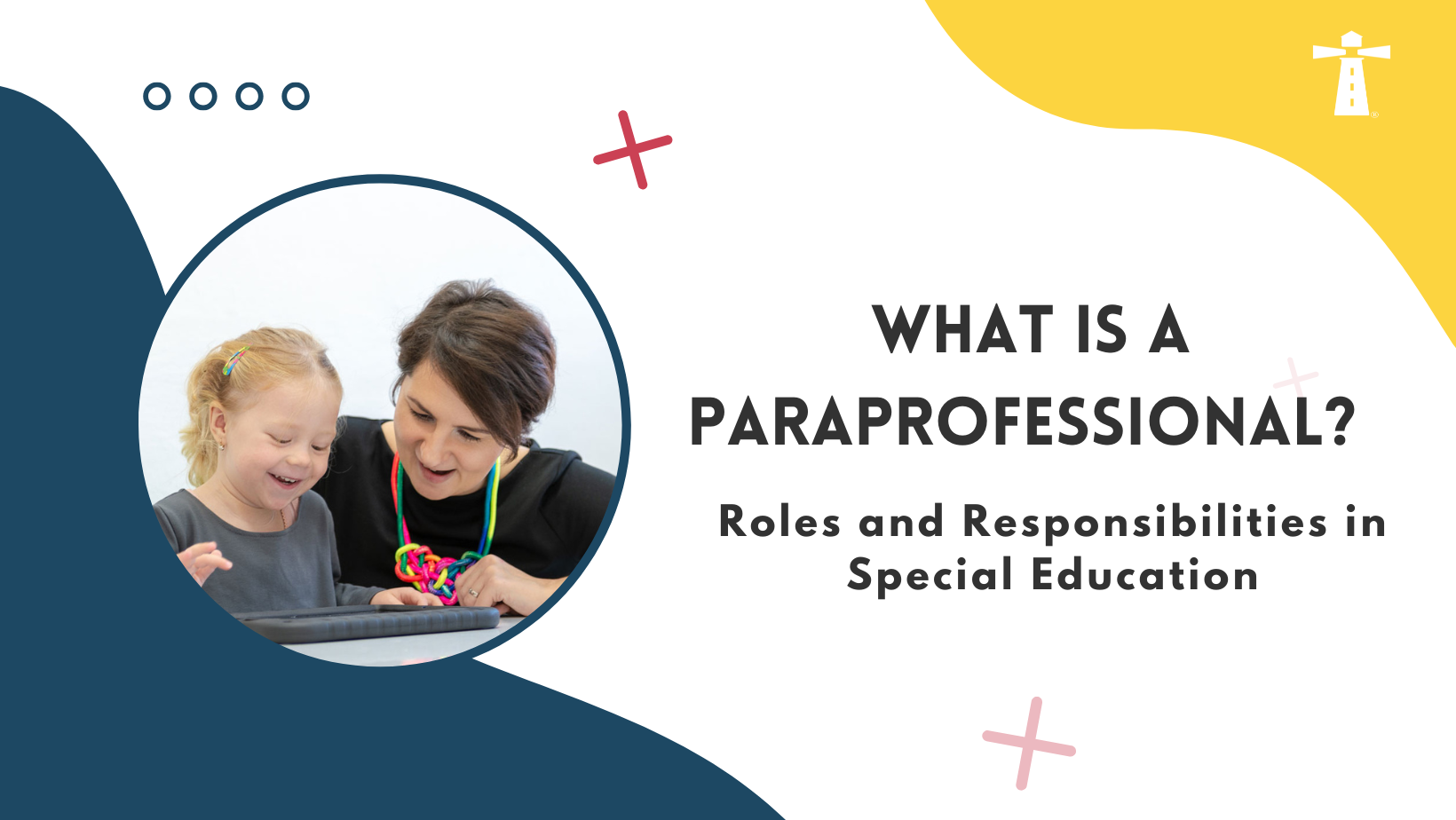
In many classrooms, the first adult a student connects with each morning might not be the teacher. It could actually be the paraprofessional helping them unpack, settle in, and feel ready for the day. In special education, paraprofessionals provide the steady, behind-the-scenes support that helps students with disabilities access learning, routines, and peer interactions. When families ask what is a paraprofessional, the answer is simple. A paraprofessional works under the direction of a licensed teacher or specialist to help students participate meaningfully in the school day, offering consistent support without replacing instruction or decision-making.

What Does a Paraprofessional Do in the Classroom?

When people ask what does a paraprofessional do, the answer depends on the student, the setting, and the plan in place. Obviously, paraprofessional duties are not one-size-fits-all. In special education classrooms, paraprofessionals provide practical, hands-on support that helps students stay engaged, regulated, and included throughout the school day. Their work often changes hour by hour as student needs and classroom demands shift.

Instructional Support Under Teacher Direction

Paraprofessionals support instruction by reinforcing lessons that have already been taught by the teacher. This may include reviewing directions, helping a student stay focused during independent work, or breaking tasks into manageable steps. The goal is not to introduce new content, but to help students access and practice what is already being taught.

In many classrooms, paraprofessionals also provide small-group or individual support. This can look like sitting alongside a student during writing time, supporting participation in a group activity, or helping students use accommodations such as visual schedules or assistive tools. All instructional support happens under teacher guidance to ensure consistency and alignment with classroom goals.

Behavioral, Social, and Emotional Support

Behavioral and emotional support is a core part of paraprofessional duties in special education. Paraprofessionals often help students use regulation strategies during moments of frustration, fatigue, or sensory overload. This might involve prompting a coping strategy, supporting a break, or helping a student return to learning after a challenge.

Social support is just as important. Paraprofessionals may help facilitate peer interactions, model appropriate social language, or support group participation without drawing attention to the student. When done well, this support fades over time as students build confidence and independence.

Personal Care and Safety Support (When Applicable)

Some paraprofessionals provide personal care or safety support depending on student needs. This can include assistance with mobility, health routines, or daily living tasks outlined in a student’s plan. These responsibilities vary widely and are based on documented needs, not convenience or staffing gaps.

Maintaining student dignity is always the priority. Paraprofessionals are trained to provide support discreetly and respectfully, ensuring students feel safe and valued while participating in the school day.

Paraprofessional vs Teacher Aide: What’s the Difference?

The terms paraprofessional and teacher aide are often used to describe similar roles, and in many schools they refer to the same position. This overlap can be confusing for families and even for staff members. Understanding how these titles are used helps clarify expectations while honoring the important work individuals in these roles do every day.

Differences in Training and Responsibilities

In general, the title paraprofessional is more commonly used in special education and is often connected to specific training or certification requirements. In many states, paraprofessionals must meet educational standards, complete coursework, or pass assessments related to supporting students with disabilities. Their responsibilities typically focus on providing instructional, behavioral, and personal care support under the direction of a licensed teacher or specialist.

The term teacher aide may be used more broadly to describe classroom support staff. In some districts, aides assist with classroom organization, supervision, and general student support, with fewer formal training requirements. Responsibilities can vary widely depending on the school and setting. Neither title reflects the level of care, skill, or dedication required for the work, but they can signal different role expectations depending on local policies.

Why the Terms Are Often Used Interchangeably

Districts and states use different language when naming support roles, which is why paraprofessional vs teacher aide is such a common question. Some schools use one title exclusively, while others use both terms for the same position. Job descriptions, contracts, and everyday conversation do not always align, even within the same district.

What matters most is not the title, but the clarity of the role. Clear expectations, appropriate training, and consistent supervision help ensure that paraprofessionals and teacher aides can support students effectively while remaining within their scope of practice. Respect for the role, regardless of the title used, is essential to building strong and collaborative school teams.

How Paraprofessionals Support Students With Disabilities

Paraprofessional support for students with disabilities is centered on access. The goal is not to change what students are learning, but to help them participate in learning alongside their peers. When support is thoughtfully planned, paraprofessionals help remove barriers while keeping instruction, decision-making, and accountability in the hands of licensed educators.

Supporting Academic Access Without Replacing Instruction

One of the most important distinctions in special education is the difference between access and teaching. Paraprofessionals help students access instruction that has already been planned and delivered by the teacher. This may include clarifying directions, helping a student stay organized, or supporting the use of accommodations such as visual supports, extended time, or adapted materials.

Effective paraprofessional support also includes fading prompts over time. Rather than doing tasks for students or providing constant reminders, paraprofessionals are encouraged to step back as students build skills. This gradual release helps prevent overdependence and supports long-term learning, even when progress feels slower in the moment.

Supporting Communication, Behavior, and Independence

Many paraprofessionals support students who use alternative forms of communication. This can include helping students access AAC systems, modeling communication strategies, or reinforcing language supports introduced by speech-language pathologists. The focus is on consistency and carryover, not introducing new techniques independently.

Paraprofessionals also play a key role in supporting behavior and independence. They may help students recognize when they need a break, follow established regulation strategies, or practice self-advocacy skills such as asking for help or using accommodations appropriately. Over time, this support shifts from direct assistance to encouragement, allowing students to take increasing ownership of their learning and participation.

The Role of Paraprofessionals in IEP Implementation

Paraprofessionals play an important role in helping IEPs work in real classrooms. While they are not responsible for writing goals or making placement decisions, paraprofessional IEP support helps ensure that accommodations and supports are consistently provided throughout the school day. Their work connects written plans to daily practice.

How Paraprofessionals Help Carry Out IEP Accommodations

Many IEP accommodations are implemented with the help of paraprofessionals. This can include supporting preferential seating, providing visual schedules, assisting with transitions, or helping students use tools such as graphic organizers or assistive technology. Paraprofessionals often help ensure these supports are in place across settings, not just during specific lessons.

Behavior and sensory supports are also commonly part of paraprofessional IEP support. Paraprofessionals may help students follow established behavior plans, recognize early signs of dysregulation, or access scheduled breaks and sensory tools. These supports are guided by the IEP and the supervising teacher or clinician, with the goal of helping students remain engaged and regulated during instruction.

What Paraprofessionals Can and Cannot Do Under an IEP

Clear boundaries are essential for ethical and effective IEP implementation. Paraprofessionals can support instruction, reinforce strategies, and assist with accommodations, but they do not design instruction, modify curriculum independently, or determine how IEP goals are measured. Those responsibilities remain with licensed teachers and service providers.

Maintaining instructional integrity protects both students and staff. When paraprofessionals work within their defined role, students receive consistent, appropriate support, and teachers retain responsibility for instructional decisions. Clear guidance and collaboration help ensure that paraprofessional support strengthens IEP implementation without replacing professional services.

Classroom Models Where Paraprofessionals Provide Support

Paraprofessional classroom support can look very different depending on a student’s needs, the setting, and the services outlined in the IEP. There is no single model that fits every student. Understanding how paraprofessionals function across different classroom structures helps teams use support in ways that promote access while still building independence.

Push-In Support in General Education Settings

In push-in models, paraprofessionals support students within the general education classroom. This approach prioritizes inclusion by allowing students with disabilities to participate alongside peers while receiving the support they need. Paraprofessionals may help students follow classroom routines, use accommodations, or stay engaged during whole-group and small-group instruction.

Push-in paraprofessional classroom support works best when roles are clearly defined. The paraprofessional supports access and participation while the teacher leads instruction. This collaboration helps students remain part of the classroom community without drawing unnecessary attention to support services.

Pull-Out and Small-Group Support Models

Some students benefit from additional structure outside of the general education classroom for part of the day. In pull-out or small-group models, paraprofessionals may support students in quieter or more structured settings where they can practice skills, regulate, or receive targeted assistance.

These models are often used when classroom demands temporarily exceed a student’s ability to participate successfully. Paraprofessionals help students prepare for learning, reinforce strategies, and transition back into larger classroom settings when appropriate. The goal is to support success, not to isolate students from peers.

One-to-One Paraprofessional Support

One-to-one paraprofessional support is typically provided when a student requires continuous assistance for safety, access, or regulation. Decisions about this level of support are based on documented needs and should be regularly reviewed by the IEP team.

While one-to-one support can be essential, teams also consider how to avoid overdependence. Paraprofessionals are encouraged to fade support gradually, stepping back as students build skills and confidence. Thoughtful planning helps ensure that one-to-one support promotes growth rather than limiting independence.

Qualifications and Training Requirements for Paraprofessionals

Paraprofessional requirements and qualifications vary widely across states and districts, which can make the role feel unclear to families and even to school teams. While expectations are not uniform, most schools recognize that paraprofessionals need both foundational training and ongoing support to work effectively with students with disabilities.

Federal and State-Level Requirements

At the federal level, there is no single set of paraprofessional qualifications that applies nationwide. Instead, broad guidance outlines that paraprofessionals work under the supervision of licensed teachers and support instruction without replacing it. Beyond that, states set their own requirements.

Some states require paraprofessionals to complete coursework, earn an associate degree, or pass competency assessments. Others focus on high school completion combined with district-provided training. These differences mean that paraprofessional preparation can look very different depending on location, even when job responsibilities appear similar on paper.

Ongoing Training and Professional Development Gaps

Initial qualifications alone are rarely enough to prepare paraprofessionals for the realities of special education classrooms. Many paraprofessionals support students with complex behavior, communication needs, or multiple disabilities, yet receive limited ongoing training in these areas.

Common gaps include training on behavior support strategies, AAC and communication systems, and disability-specific supports. Without consistent professional development, paraprofessionals are often expected to learn on the job, which can lead to stress and inconsistent support for students. Investing in ongoing training helps paraprofessionals feel confident in their role and strengthens the overall effectiveness of special education services.

Common Challenges Paraprofessionals Face in Special Education

Paraprofessionals play a critical role in supporting students with disabilities, yet their work often comes with significant challenges. Understanding these realities helps school teams address paraprofessional burnout and create systems that support both staff and students more effectively.

Role Confusion and Inconsistent Expectations

One of the most common paraprofessional challenges is unclear or inconsistent role expectations. Paraprofessionals may receive different directions from different teachers, or find that their responsibilities shift depending on the classroom or schedule. Without clear guidance, it can be difficult to know where support should begin and end.

This lack of clarity can place paraprofessionals in difficult positions, especially when expectations exceed their training or defined role. Clear role definitions and consistent supervision help reduce confusion and support ethical, effective practice across settings.

Burnout, Turnover, and Emotional Labor

Paraprofessional burnout is a growing concern in special education. Many paraprofessionals support students with high needs while managing challenging behaviors, safety concerns, and emotional stress throughout the day. This emotional labor often goes unrecognized, even though it has a direct impact on job satisfaction and retention.

High turnover affects more than staffing numbers. When paraprofessionals leave, students lose familiar supports, teams lose continuity, and remaining staff often absorb additional responsibilities. Addressing burnout requires acknowledging the emotional demands of the role and providing meaningful support and training.

Limited Collaboration Time With Teachers and Clinicians

Effective support depends on collaboration, yet paraprofessionals are often left out of planning conversations. Limited time to connect with teachers, therapists, and special education teams can lead to inconsistent strategies and missed opportunities for alignment.

When paraprofessionals are included in communication and collaboration, support becomes more consistent and intentional. Even brief check-ins can improve clarity, reinforce shared goals, and strengthen outcomes for students.

Best Practices for Supporting and Training Paraprofessionals

Strong paraprofessional training and support systems benefit everyone. When paraprofessionals feel prepared and valued, students receive more consistent support, teachers maintain instructional clarity, and school teams function more smoothly. Effective support is less about adding new responsibilities and more about creating clear structures and communication.

Clear Role Definitions and Expectations

Clear role definitions are the foundation of effective paraprofessional support. Paraprofessionals need written guidance that explains their responsibilities, boundaries, and reporting structures. This clarity helps prevent role drift and ensures that support remains aligned with instructional and ethical standards.

Consistent supervision is equally important. Regular check-ins with supervising teachers or administrators give paraprofessionals space to ask questions, reflect on challenges, and receive feedback. When expectations are clear and reinforced, paraprofessionals are better positioned to support students confidently and appropriately.

Ongoing Coaching and Collaborative Planning

Initial training is only a starting point. Ongoing coaching helps paraprofessionals adapt to changing student needs and classroom demands. This coaching may include modeling strategies, observing classroom routines, or reviewing how supports are being implemented.

Collaboration with teachers and clinicians strengthens this process. When paraprofessionals understand the goals behind instructional and therapeutic strategies, they can support carryover throughout the day. Even brief planning conversations help align support and reduce confusion.

Supporting Paraprofessionals Without Replacing Professional Services

Paraprofessional support works best when service boundaries are respected. Paraprofessionals reinforce strategies designed by teachers and clinicians, but they do not replace instruction, therapy, or decision-making by licensed professionals.

Maintaining these boundaries protects students and staff. It ensures that students receive appropriate instruction and services while allowing paraprofessionals to focus on access, consistency, and daily support. Thoughtful systems help teams use paraprofessional support effectively without overextending the role.

How Paraprofessionals Fit Into a Collaborative Special Education Team

Special education works best when it functions as a team effort. Teacher paraprofessional collaboration turns individual support into coordinated care. When paraprofessionals are treated as active team members rather than add-ons, students experience more consistent support across classrooms, services, and daily routines.

Working Alongside Teachers, SLPs, OTs, and School Teams

Paraprofessionals are often the adults who see students across the most moments of the day. They notice what works during transitions, where challenges tend to surface, and how students respond in different settings. Sharing those observations with teachers, speech-language pathologists, occupational therapists, and other team members strengthens decision-making.

Strong collaboration does not require long meetings. Brief check-ins, shared language around goals, and clear guidance on strategies go a long way. When paraprofessionals understand why a strategy is being used, not just how to use it, support becomes more intentional and consistent.

Keeping Student Growth and Independence at the Center

The ultimate goal of collaboration is not more support. It is better support. Paraprofessionals help students build skills by offering help when it is needed and stepping back when it is not. This balance encourages independence while still providing a safety net.

When teams regularly reflect on student progress, they can adjust support thoughtfully. Over time, this approach helps students rely less on adult prompting and more on their own strategies. Growth happens in those small moments, and collaboration makes them possible.


Using Paraprofessional Support Effectively

Using paraprofessional support in schools effectively starts with clear systems. When roles and expectations are well defined, training is ongoing, and collaboration is prioritized, paraprofessionals can support student independence rather than unintentionally limiting it. Strong special education teams focus less on staffing alone and more on how support is structured and sustained. Thoughtful planning, shared responsibility, and consistent communication help ensure that paraprofessional support strengthens learning and long-term growth. At Lighthouse Therapy, we support school teams by focusing on collaboration, clarity, and systems that help every member of the team work together in service of student success.


special education terms and definitions

Special Education Terms Explained: A Parent-Friendly Guide

In many school settings, special education comes with its own language. For many families and educators, that language shows up quickly and all at once, often during meetings, evaluations, or reports where emotions are already running high. Special Education terms can include acronyms, legal jargon, and professional shorthand that can make important conversations feel harder to follow than they should be. It is common to leave an IEP meeting or evaluation review realizing you heard dozens of unfamiliar words but were unsure what they truly meant in practice.

This guide is intended to slow things down. It breaks down common special education terms into clear, plain language so families, educators, and clinicians can share a stronger understanding. Whether you are preparing for your first IEP meeting, reviewing an evaluation, or simply trying to make sense of school-based supports, this glossary offers straightforward explanations you can return to whenever you need clarity.

Core Special Education Laws and Framework Terms

Below are short, plain-language definitions of the most important laws and frameworks that guide special education services in the United States. These terms often come up during evaluations, IEP meetings, and eligibility discussions, so understanding them can help families and educators feel more confident and informed.

Individuals with Disabilities Education Act (IDEA)
A federal law that guarantees eligible students with disabilities the right to a free, appropriate public education. IDEA explains who qualifies for special education, what services schools must provide, and how decisions are made through the IEP process.

Free Appropriate Public Education (FAPE)
A core right under IDEA. FAPE means students with disabilities are entitled to education and related services at no cost to families, designed to meet the student’s individual needs and help them make meaningful progress.

Least Restrictive Environment (LRE)
A legal requirement under IDEA stating that students with disabilities should learn alongside their non-disabled peers as much as possible. Special education supports should be provided in general education settings when appropriate, rather than automatically removing students to separate classrooms.

Individualized Education Program (IEP)
A written, legally binding plan created for students who qualify for special education under IDEA. The IEP outlines the student’s strengths, needs, goals, accommodations, services, and how progress will be measured.

IEP Team
The group responsible for developing and reviewing a student’s IEP. This team typically includes parents or guardians, general and special education teachers, related service providers, a school administrator, and sometimes the student.

Section 504 of the Rehabilitation Act
A federal civil rights law that protects individuals with disabilities from discrimination in schools that receive federal funding. Students who do not qualify for an IEP may still receive accommodations through a 504 plan.

504 Plan
A written plan that provides accommodations and supports to ensure students with disabilities have equal access to education. Unlike an IEP, a 504 plan does not include specialized instruction, only accommodations.

Americans with Disabilities Act (ADA)
A federal civil rights law that prohibits discrimination against individuals with disabilities in public spaces, including schools. The ADA works alongside Section 504 to ensure accessibility and equal opportunity.

Child Find
A legal requirement under IDEA that obligates schools to identify, locate, and evaluate students who may have disabilities. This applies to all children, including those who are homeschooled or attending private schools.

Evaluation
A comprehensive process used to determine whether a student has a disability and qualifies for special education services. Evaluations may include academic testing, observations, speech and language assessments, and input from families and teachers.

Reevaluation
A review of a student’s eligibility and needs, typically conducted every three years or sooner if requested. Reevaluations help ensure services and supports remain appropriate as students grow and change.

Procedural Safeguards
Legal protections for students and families under IDEA. These safeguards explain parent rights, including consent, access to records, dispute resolution options, and the right to challenge school decisions.

Due Process
A formal legal procedure families can use if they disagree with a school’s special education decisions. Due process may involve mediation, hearings, or legal review to resolve disputes.

Related Services
Support services that help students benefit from special education. Examples include speech-language therapy, occupational therapy, physical therapy, counseling, and transportation.

Specially Designed Instruction (SDI)
Instruction that is adapted in content, method, or delivery to meet a student’s unique learning needs. SDI is a defining feature of special education services under an IEP.

Transition Services
Planning and services designed to help students prepare for life after high school. Transition planning typically begins by age 16 and may focus on college, employment, independent living, or vocational training.

These laws and frameworks form the foundation of special education. While the terminology can feel overwhelming at first, each term exists to protect student rights, guide school responsibilities, and support meaningful access to learning.


IEP and Evaluation Terms Families Hear Most Often

Below are plain-language definitions of common IEP and evaluation terms that frequently come up during meetings, written reports, emails, and progress updates. These are the words families often hear long before they feel fully explained, so understanding them can make conversations with schools feel more manageable and less overwhelming.

Referral
A formal request for a student to be evaluated for special education services. A referral can come from a parent, teacher, or school team when there are concerns about a student’s learning, behavior, communication, or development.

Parental Consent
Written permission from a parent or guardian allowing the school to move forward with evaluations or services. Schools cannot conduct an initial evaluation or provide special education services without parent consent.

Eligibility
The determination of whether a student qualifies for special education services under IDEA. Eligibility decisions are made by a team and are based on evaluation data, educational impact, and specific disability criteria.

Eligibility Meeting
A meeting where the school team reviews evaluation results and decides whether a student qualifies for special education. Families are part of this decision-making process and should receive explanations of results and recommendations.

Present Levels of Academic Achievement and Functional Performance (Present Levels)
A detailed summary of how a student is currently performing academically, socially, behaviorally, and functionally. Present levels form the foundation of the IEP and explain why specific goals and services are needed.

IEP Goals
Measurable annual targets designed to address a student’s identified needs. Goals describe what the student is expected to work toward over the school year and how progress will be measured.

Progress Monitoring
The process of tracking a student’s progress toward IEP goals over time. Schools use data, observations, and work samples to determine whether the student is making appropriate progress and whether adjustments are needed.

Progress Reports
Written updates shared with families that explain how a student is progressing toward their IEP goals. These reports are often sent at the same time as report cards but focus specifically on IEP goals.

Accommodations
Changes to how a student learns or demonstrates learning without changing what is being taught. Examples include extended time, preferential seating, visual supports, or access to assistive technology.

Modifications
Changes to what a student is expected to learn or demonstrate. Modifications alter curriculum expectations and are typically used for students with significant learning needs.

Related Service Minutes
The amount of time a student receives support services such as speech-language therapy, occupational therapy, physical therapy, or counseling. Minutes are usually listed weekly or monthly in the IEP.

Placement
The educational setting where a student receives special education services. Placement decisions are based on the student’s needs and must follow the Least Restrictive Environment requirement.

Least Restrictive Environment Discussion
A required conversation during IEP meetings about how much time a student can appropriately spend in general education settings with supports before considering more restrictive options.

Extended School Year (ESY)
Special education services provided outside the regular school year, usually during summer. ESY is considered when a student is likely to lose critical skills without continued instruction and has difficulty regaining them.

Prior Written Notice (PWN)
A formal document schools must provide when they propose or refuse changes to a student’s evaluation, services, placement, or identification. PWN explains what the school is recommending and why.

Evaluation Report
A written summary of testing, observations, and professional findings from an evaluation. This report helps guide eligibility decisions and IEP planning.

Service Delivery Model
How and where services are provided to a student. This may include push-in services within the classroom, pull-out sessions, or a combination of both.

These terms appear repeatedly throughout the special education process. While they can sound technical or intimidating at first, each one plays a role in shaping services, protecting student rights, and guiding team decisions over time.


Disability Categories Used in Special Education

Below are plain-language definitions of the 13 disability categories used in special education eligibility under the Individuals with Disabilities Education Act. These categories are used to determine whether a student qualifies for special education services and what types of support may be needed at school.

It is important to note that these categories are educational classifications, not medical diagnoses. A student may have a medical or clinical diagnosis, but eligibility for special education depends on whether the disability adversely affects educational performance and requires specialized instruction.

Specific Learning Disability (SLD)
A category used when a student has unexpected difficulties in areas such as reading, writing, listening, speaking, reasoning, or math. Dyslexia, dysgraphia, and dyscalculia commonly fall under this category when they significantly affect learning. This is the most common special education eligibility category.

Speech or Language Impairment
Used when a student has difficulty with speech production or language skills that impacts school performance. This may include articulation disorders, fluency disorders such as stuttering, voice disorders, or receptive and expressive language difficulties.

Other Health Impairment (OHI)
A category that covers conditions that limit strength, energy, or alertness and affect learning. Attention-Deficit/Hyperactivity Disorder (ADHD) is commonly addressed under OHI when attention, regulation, or executive functioning significantly interferes with educational performance. Other examples may include epilepsy or Tourette syndrome.

Autism Spectrum Disorder (ASD)
Used when characteristics associated with autism significantly affect communication, social interaction, behavior, or learning in the school environment. Educational eligibility is based on classroom impact, not solely on a medical diagnosis.

Intellectual Disability
Applies when a student has significantly below-average intellectual functioning along with limitations in adaptive skills that affect learning and daily functioning at school. Students with Down syndrome often qualify under this category.

Emotional Disturbance
A category used when emotional or behavioral challenges persist over time and significantly affect learning. This may include difficulty building relationships, inappropriate behaviors or feelings, mood challenges, or physical symptoms related to stress. Eligibility is based on educational impact, not simply the presence of a mental health diagnosis.

Developmental Delay
Used for young children who show delays in one or more areas of development, such as communication, motor skills, cognition, or social development. This category is the only IDEA category with an age limit. In most states, it cannot be used beyond age 9, though exact age ranges vary by state.

Multiple Disabilities
Applies when a student has more than one disability and the combination creates complex educational needs that cannot be addressed under a single category alone. This is not used simply because a student has more than one diagnosis.

Hearing Impairment, Including Deafness
Used when hearing loss affects access to instruction, communication, or participation in school. This category includes both permanent and fluctuating hearing loss but does not include auditory processing disorder.

Orthopedic Impairment
A category for physical conditions affecting bones, joints, or muscles that impact a student’s ability to access learning. Cerebral palsy is one example.

Visual Impairment, Including Blindness
Used when a vision condition affects learning and cannot be corrected adequately with standard eyewear alone. This includes partial vision loss and blindness.

Traumatic Brain Injury (TBI)
Applies to students who have experienced an acquired brain injury after birth that affects learning, behavior, memory, attention, or physical functioning. This does not include congenital or degenerative conditions.

Deafblindness
Used when a student has both severe hearing and vision loss, creating unique communication and learning needs that cannot be met through programs designed solely for students who are deaf or blind.

These categories exist to guide eligibility and service planning, not to define a child’s identity or potential. A medical diagnosis can help inform school teams, but special education eligibility is always based on how a disability affects learning and whether specialized instruction is required. Understanding these categories can make eligibility discussions and IEP meetings feel clearer and more manageable.


Service Delivery and Classroom Support Terms

Below are plain-language definitions of common service delivery and classroom support terms used in special education. These terms describe how, where, and with whom special education and related services are provided. They often come up during IEP meetings, placement discussions, and progress reviews, and understanding them can help families better picture what support looks like during the school day.

Service Delivery Model
The overall plan for how special education and related services are provided to a student. This includes where services take place, how often they occur, and which professionals are involved. A student’s service delivery model is outlined in the IEP and should match their individual needs.

Direct Services
Specialized instruction or therapy provided directly to a student by a qualified professional. Examples include speech-language therapy, occupational therapy, or specialized academic instruction delivered in individual or small-group settings.

Consult Services
Support provided indirectly when a specialist works with teachers or staff rather than directly with the student. Consultation may include strategies, accommodations, or classroom modifications to support the student throughout the school day.

Push-In Services
Services delivered within the general education classroom. A special education teacher or therapist works alongside the classroom teacher to support the student in the natural learning environment. Push-in services help students access the general curriculum with supports in place.

Pull-Out Services
Services provided outside the general education classroom for a portion of the day. Students may leave the classroom to receive targeted instruction or therapy in a quieter or more structured setting.

Inclusion
An educational approach where students with disabilities learn alongside their non-disabled peers in general education classrooms, with appropriate supports and services. Inclusion focuses on access, participation, and meaningful engagement rather than placement alone.

Resource Room
A separate classroom where students receive specialized instruction for part of the school day. Students typically spend most of their time in general education and attend the resource room for targeted support in specific academic or skill areas.

Self-Contained Classroom
A specialized classroom where students receive most or all of their instruction in a smaller, more structured setting. This model is used when a student’s needs cannot be adequately met in the general education environment, even with supports.

Co-Teaching
A service delivery model in which a general education teacher and a special education teacher share responsibility for instruction in the same classroom. Co-teaching allows students with disabilities to access grade-level curriculum while receiving specialized support.

Related Services
Support services required to help a student benefit from special education. Common related services include speech-language therapy, occupational therapy, physical therapy, counseling, and transportation. These services are listed in the IEP with frequency and duration.

Service Minutes
The amount of time a student receives special education or related services. Service minutes are typically written as minutes per week or month and should reflect the level of support needed to make progress toward IEP goals.

Small Group Instruction
Instruction provided to a small number of students with similar needs. This format allows for targeted teaching and increased opportunities for practice and feedback.

Individual Instruction
One-on-one instruction or therapy provided when a student requires intensive, individualized support. This is often used for specific skill development or therapeutic intervention.

Least Restrictive Environment (LRE)
A legal requirement that students with disabilities be educated with their non-disabled peers as much as appropriate. Decisions about service delivery models must consider how supports can be provided in general education settings before moving to more restrictive options.

These service delivery models are not one-size-fits-all. A student’s IEP team reviews data, progress, and individual needs to determine which combination of supports will allow the student to access learning and make meaningful progress over time.


Therapy and Provider Roles in Schools

Below are plain-language definitions of common therapy and provider roles involved in special education. These professionals support students in different ways, often working collaboratively across classrooms, therapy spaces, and school teams. Understanding who provides services and how school-based therapy works can help families better navigate evaluations, IEP meetings, and ongoing support.

Speech-Language Pathologist (SLP)
A licensed professional who supports students with speech, language, communication, and social communication needs. In schools, SLPs may work on articulation, language development, fluency, voice, pragmatic language, and feeding or swallowing concerns when they affect educational access.

School-Based Speech Therapy
Speech-language services provided in the school setting to support a student’s ability to communicate and access learning. Services are educationally focused and tied to IEP goals, rather than medical treatment models.

Occupational Therapist (OT)
A licensed therapist who helps students develop skills needed for school participation. In educational settings, OTs often support fine motor skills, handwriting, sensory processing, self-regulation, visual-motor integration, and daily school routines.

School-Based Occupational Therapy
Occupational therapy services delivered in the school environment to help students access classroom activities and routines. These services focus on functional skills related to learning rather than clinical or medical therapy goals.

Physical Therapist (PT)
A licensed therapist who supports students with mobility, balance, strength, and physical access to the school environment. PTs may address walking, positioning, transfers, or participation in physical school activities.

School-Based Physical Therapy
Physical therapy provided in schools to support a student’s ability to move safely and independently within the school setting. Services focus on educational access, not medical rehabilitation.

School Psychologist
A certified professional who conducts evaluations, supports eligibility decisions, and helps teams understand learning, behavior, and emotional needs. School psychologists often participate in assessments, data review, and behavioral planning.

Special Education Teacher
A licensed educator who provides specialized instruction tailored to a student’s unique learning needs. Special education teachers may work in resource rooms, self-contained classrooms, or co-teaching models within general education settings.

General Education Teacher
The classroom teacher responsible for delivering grade-level curriculum. General education teachers play a key role in implementing accommodations, collaborating with specialists, and supporting students with IEPs in inclusive settings.

Behavior Specialist or Behavior Analyst
A professional who supports students with behavior, regulation, and social-emotional needs. This role may include conducting functional behavioral assessments, developing behavior intervention plans, and coaching staff on consistent strategies.

Related Service Provider
A broad term for professionals who deliver services that help a student benefit from special education. This includes SLPs, OTs, PTs, counselors, social workers, and others listed in the IEP.

Consultation Model
A service approach where therapists or specialists collaborate with teachers and staff rather than working directly with the student every session. Consultation focuses on strategies, environmental supports, and skill generalization across settings.

Interdisciplinary Team
A group of professionals from different disciplines who work together to support a student. This team may include teachers, therapists, psychologists, administrators, and families, all contributing to IEP planning and implementation.

These providers work together to support students across academic, communication, physical, and social-emotional domains. School-based therapy and services are designed to fit within the educational environment and focus on helping students access learning and participate meaningfully throughout the school day.


Understanding Data, Progress, and Educational Impact

Below are plain-language definitions of data and progress terms commonly used in special education. These words appear frequently in evaluation reports, IEP goals, progress updates, and meetings. Understanding how progress is measured and discussed can help families better interpret reports, ask informed questions, and participate confidently in decision-making.

Baseline Data
Information collected at the start of an evaluation period or IEP cycle that shows how a student is currently performing. Baseline data is used as a comparison point to measure progress over time.

Data Collection
The process of gathering information about a student’s performance. This may include observations, work samples, assessments, checklists, or tracking specific skills related to IEP goals.

Progress Monitoring
Ongoing tracking of a student’s progress toward IEP goals. Progress monitoring helps teams determine whether current supports are effective or whether adjustments to instruction or services are needed.

Progress Report
A written update shared with families that explains how a student is progressing toward IEP goals. Progress reports typically include data summaries and are often provided on the same schedule as report cards.

Educational Impact
The way a disability affects a student’s ability to access, participate in, and make progress in the general education curriculum. Educational impact is a key factor in eligibility decisions and service planning.

Measurable Goal
An IEP goal written in a way that allows progress to be clearly tracked. Measurable goals include specific criteria, conditions, and methods for determining whether progress has been made.

Mastery
The point at which a student demonstrates consistent and independent performance of a skill as defined in the IEP goal. Mastery does not always mean perfection but reflects reliable progress.

Data-Driven Decision Making
Using collected data to guide instructional, service, and placement decisions. Teams rely on data rather than assumptions to determine whether supports should be continued, adjusted, or changed.

Regression and Recoupment
Terms used to describe whether a student loses skills during breaks in instruction (regression) and how quickly those skills are regained once instruction resumes (recoupment). These factors are often considered when discussing Extended School Year services.

Observation
Information gathered by watching a student in natural settings such as the classroom, playground, or therapy sessions. Observations help provide context for data and support decision-making.

Work Samples
Examples of a student’s completed work used to demonstrate skill development and progress over time. Work samples often support data collected through formal tracking.

Benchmark
A short-term target or milestone used to measure progress toward a larger goal. Benchmarks help teams check progress throughout the year rather than waiting until the annual review.

These terms help shape how student growth is evaluated and discussed. When families understand how data and progress are measured, conversations about IEP goals, services, and adjustments become clearer and more collaborative.


Behavior, Regulation, and Social-Emotional Support Terms

Below are plain-language definitions of behavior, regulation, and social-emotional terms commonly used in special education. These words often carry strong emotions for families, especially when they appear in evaluation reports or IEP meetings. In schools, these terms are meant to guide support and understanding, not punishment. They describe how students experience and manage emotions, behavior, and social interaction in the learning environment.

Behavior
Observable actions a student displays in different settings. In special education, behavior is viewed as communication and is examined to understand what a student needs to succeed.

Self-Regulation
A student’s ability to manage emotions, behavior, and attention in response to different situations. Self-regulation develops over time and can be taught and supported through instruction and environmental strategies.

Emotional Regulation
The ability to identify, express, and manage emotions in a way that supports learning and relationships. Challenges with emotional regulation may show up as frustration, withdrawal, or emotional outbursts.

Behavioral Regulation
A student’s ability to control actions and responses to meet expectations across school settings. This includes impulse control, flexibility, and coping with changes in routine.

Executive Functioning
A set of skills that support planning, organization, attention, working memory, and self-control. Executive functioning challenges often affect task completion, transitions, and independent work.

Social-Emotional Learning (SEL)
Instruction and support focused on building skills such as self-awareness, relationship skills, responsible decision-making, and emotional regulation. SEL supports both academic success and overall well-being.

Functional Behavioral Assessment (FBA)
A structured process used to understand why a behavior occurs. An FBA looks at triggers, patterns, and the purpose a behavior serves so that appropriate supports can be put in place.

Behavior Intervention Plan (BIP)
A written plan developed based on an FBA that outlines strategies to support positive behavior. A BIP focuses on teaching skills, adjusting environments, and providing consistent responses.

Positive Behavior Supports
Proactive strategies designed to encourage appropriate behavior and reduce challenging behavior. These supports emphasize teaching, reinforcement, and prevention rather than punishment.

Coping Strategies
Tools and techniques that help students manage stress, emotions, or overwhelming situations. Examples include movement breaks, calming routines, or visual supports.

Emotional Disturbance (Educational Category)
An eligibility category used when emotional or behavioral challenges significantly affect learning over time. This term reflects educational impact rather than a clinical mental health diagnosis.

Trauma-Informed Care
An approach that recognizes the impact of stress and trauma on learning and behavior. Trauma-informed practices focus on safety, predictability, and supportive relationships.

Behavior Goals
IEP goals designed to support the development of regulation, coping, or social skills. These goals focus on building skills rather than simply reducing behavior.

These terms are used to guide understanding, collaboration, and support. When behavior-related language is framed around growth and skill development, teams can work together to create environments where students feel supported and capable of learning.


Accommodations vs Modifications

Below are plain-language definitions that explain the difference between accommodations and modifications, two terms that are often used interchangeably but have very different meanings in special education. Understanding how each one impacts learning can help families better understand classroom expectations, grading, and access to the curriculum.

Accommodations
Changes to how a student accesses information or demonstrates learning without changing what they are expected to learn. Accommodations remove barriers while keeping academic expectations aligned with grade-level standards. Common examples include extended time, preferential seating, visual supports, reduced distractions, or access to assistive technology.

Modifications
Changes to what a student is expected to learn or demonstrate. Modifications alter the curriculum, learning objectives, or performance expectations and are typically used when a student requires a significantly adjusted instructional level.

Curriculum Access
A student’s ability to engage with instructional content and learning activities. Accommodations are designed to improve access without lowering expectations, while modifications change expectations to match a student’s learning needs.

Assistive Technology
Tools or devices that support a student’s ability to learn, communicate, or complete tasks. Assistive technology may be considered an accommodation when it supports access without changing learning goals.

Testing Accommodations
Adjustments made during assessments to allow students to demonstrate knowledge fairly. These may include extended time, separate testing environments, or alternate formats, and do not change what the test is measuring.

Both accommodations and modifications are meant to support student success. When used thoughtfully and clearly documented in the IEP, they help ensure instruction matches a student’s needs while maintaining transparency about expectations and progress.

Placement and Transition Planning Terms

Below are plain-language definitions of placement and transition planning terms commonly used in special education. These terms describe where services are provided, how placement decisions are made, and how schools plan for changes over time, including the transition to life after high school.

Placement
The educational setting where a student receives special education services. Placement is determined by the IEP team and is based on the student’s individual needs, not on a disability label or available programs.

Least Restrictive Environment (LRE)
A legal requirement that students with disabilities be educated with their non-disabled peers as much as appropriate. Teams must consider supports and services in general education settings before moving to more restrictive options.

Continuum of Services
The range of educational settings and service options available to meet student needs. This may include general education with supports, resource room services, self-contained classrooms, or more specialized placements.

Resource Room Placement
A model where a student spends most of the school day in general education and receives targeted instruction in a separate setting for specific skills or subjects.

Self-Contained Placement
A placement in which a student receives most or all instruction in a specialized classroom. This option is considered when a student’s needs cannot be met in general education settings with supports.

Extended School Year (ESY)
Special education services provided outside the regular school year, typically during summer. ESY is considered when a student is likely to experience significant skill loss without continued instruction and has difficulty regaining those skills.

Regression and Recoupment
Factors used to help determine ESY eligibility. Regression refers to the loss of skills during breaks, while recoupment refers to how quickly those skills return once instruction resumes.

Transition Planning
The process of preparing students for life after high school, including postsecondary education, employment, and independent living. Transition planning is a required part of the IEP beginning no later than age 16 under federal law, though some states begin earlier.

Postsecondary Transition Goals
Measurable goals included in the IEP that outline a student’s plans after high school. These goals may focus on education, employment, and independent living skills.

Transition Services
Coordinated activities and supports designed to help students achieve postsecondary goals. These services may include instruction, community experiences, vocational training, or connections to adult services.

Age of Majority
The age at which educational decision-making rights transfer from parents to the student, typically age 18. Schools are required to inform students and families of this change in advance.

Placement and transition decisions are revisited over time as student needs change. Clear planning helps ensure students receive appropriate support now while preparing for future goals and increasing independence.

Compliance and School Operations Language

This is the language that often lives behind the scenes. Families may not hear it directly, but it shapes staffing, services, and daily decision-making in very real ways. Understanding these terms can help teams communicate more clearly and reduce confusion when changes happen mid-year.

FTE (Full-Time Equivalent)

FTE refers to staffing capacity, not a specific person. One FTE equals one full-time position. Two part-time staff members might together make up one FTE. When schools talk about staffing shortages or allocations, they are often talking about FTE limits rather than individual roles.

Caseload vs. Workload

Caseload usually refers to the number of students assigned to a provider. Workload looks at the full scope of responsibilities, including evaluations, meetings, documentation, collaboration, and indirect services. A manageable caseload can still result in an unmanageable workload if these other demands are not considered.

Service Delivery Model

This term describes how services are provided, not whether services are provided. It may include pull-out therapy, push-in support, consultative models, or a combination. Changes to service delivery models often happen due to staffing, scheduling, or student needs rather than a change in eligibility.

Related Services

Related services are supports required for a student to access their education. This can include speech-language therapy, occupational therapy, physical therapy, counseling, or other services outlined in the IEP. Staffing for related services is often separate from classroom staffing, which can affect availability.

Funding-Based Positions

Some roles exist only because of specific funding sources or grants. When funding changes, these positions may be reduced or restructured, even if student needs remain. This is often confusing for families when services look different from year to year.

Compliance Timelines

These are legally required deadlines for evaluations, IEP meetings, and service implementation. When teams reference timelines, they are usually balancing student needs with these non-negotiable requirements.

Understanding this operational language does not mean families or educators need to agree with every decision. It simply makes the system more transparent. Clear language helps everyone focus on problem-solving instead of decoding terminology.

Common Learning and Attention Diagnoses That Impact School Support

These diagnoses often come up in school conversations, evaluations, and meetings. They can help explain learning patterns and support needs, but a diagnosis alone does not guarantee special education services. Schools determine eligibility based on how a student’s needs impact access to learning, not the diagnosis itself.

ADHD (Attention-Deficit/Hyperactivity Disorder)

ADHD affects attention, impulse control, and regulation. In school, this may show up as difficulty sustaining focus, organizing work, managing time, or regulating behavior. Some students with ADHD qualify for IEPs, while others receive support through 504 plans or general education accommodations.

Dyslexia

Dyslexia is a language-based learning difference that primarily impacts reading, spelling, and decoding. Students may struggle with phonological awareness, word recognition, or reading fluency despite average or strong intelligence. Dyslexia often informs reading intervention needs but does not automatically result in special education eligibility.

Dysgraphia

Dysgraphia affects written expression. This can include handwriting, spelling, sentence structure, and organizing ideas on paper. Students may have strong verbal skills but struggle to show what they know through writing. Supports may include assistive technology, accommodations, or targeted instruction.

Dyscalculia

Dyscalculia impacts number sense and math reasoning. Students may struggle with basic calculations, understanding quantity, or applying math concepts. Math difficulties alone do not always lead to an IEP, but they often guide intervention planning.

Autism Spectrum Disorder (ASD)

Autism affects communication, social interaction, sensory processing, and flexibility. Support needs vary widely. Some students require significant services, while others need minimal accommodations. Eligibility decisions focus on how autism impacts educational access, not the diagnosis label itself.

Specific Learning Disability (SLD)

SLD is an educational classification, not a medical diagnosis. It refers to difficulties in specific academic areas such as reading, writing, or math that are not explained by other factors. Schools use this category to determine eligibility for special education services.

Anxiety Disorders

Anxiety can affect attention, participation, attendance, and performance. In school, it may look like avoidance, perfectionism, shutdowns, or physical complaints. Anxiety may be addressed through counseling, accommodations, or behavioral supports, depending on its impact.

Executive Function Challenges

Executive function refers to skills like planning, organization, working memory, and self-monitoring. These challenges often overlap with ADHD, learning disabilities, or anxiety. Executive function needs frequently shape accommodations and goals, even when they are not tied to a single diagnosis.

Understanding these diagnoses helps teams ask better questions. The focus should always remain on how a student learns and what supports help them access instruction, rather than relying on labels alone.

Speech and Language Diagnoses Explained

Speech and language terms often appear in evaluation reports, but they are not always explained clearly. These labels describe how a child communicates and processes language. They do not automatically determine services or placement. Schools look at how these areas affect access to learning and participation in the classroom.

Speech Sound Disorder

A speech sound disorder involves difficulty producing certain sounds correctly. This may include sound substitutions, omissions, or distortions that make speech hard to understand. Younger children may still be developing these skills, while older students are expected to be more intelligible across settings.

Phonological Disorder

A phonological disorder is a type of speech sound disorder that affects sound patterns rather than individual sounds. A child may consistently simplify words, such as leaving off ending sounds or replacing harder sounds with easier ones. These patterns can impact early reading and spelling.

Childhood Apraxia of Speech (CAS)

CAS is a motor speech disorder. The brain has difficulty planning and coordinating the movements needed for speech. Speech may sound inconsistent, effortful, or choppy. Progress often requires frequent, specialized therapy and does not follow typical speech development timelines.

Expressive Language Disorder

Expressive language refers to how a child uses words, sentences, and grammar to share ideas. Students with expressive language challenges may struggle to form sentences, use precise vocabulary, or explain their thinking. They may understand more than they can express.

Receptive Language Disorder

Receptive language involves understanding spoken language. Students may have difficulty following directions, understanding questions, or processing complex sentences. These challenges can affect academic learning, classroom routines, and behavior.

Mixed Receptive-Expressive Language Disorder

This diagnosis indicates difficulties with both understanding language and expressing ideas. Students may need support across multiple areas, including vocabulary, grammar, comprehension, and classroom communication.

Social/Pragmatic Language Disorder

Pragmatic language refers to social communication. This includes taking turns in conversation, staying on topic, interpreting nonverbal cues, and adjusting language for different situations. Pragmatic challenges can affect peer relationships and classroom participation.

Auditory Processing Disorder (APD)

Auditory Processing Disorder affects how the brain interprets sound, not how well a student hears. Students may struggle to understand spoken information, especially in noisy environments, follow multi-step directions, or process verbal information quickly. APD is a specific auditory-based difference and is not the same as attention or language disorders, though it can sometimes occur alongside them.

Fluency DisordersÂ

Fluency disorders affect the flow, rhythm, and rate of speech. This can include interruptions such as repetitions, prolongations, pauses, or rapid and irregular speech patterns. Stuttering is the most common fluency disorder and may involve blocks, repeated sounds, or physical tension while speaking. Cluttering involves speech that is unusually fast, uneven, or difficult to follow, often with frequent fillers or reduced clarity. Fluency differences can affect communication confidence and participation, and support focuses on effective communication rather than eliminating disfluency.

Voice Disorders

Voice disorders involve changes in pitch, volume, or vocal quality that are not typical for a child’s age or gender. These may be related to vocal strain, medical factors, or misuse of the voice. Schools often collaborate with medical providers when voice concerns are present.

These terms describe how communication works, not how capable a child is. Clear explanations help families understand evaluation results and focus on the supports that help students communicate effectively in school and beyond.


Developmental and Neurodivergent Diagnoses

These diagnoses describe how a child’s brain develops and processes information. They can influence communication, learning, behavior, and social interaction. As with all diagnoses, they help inform support needs but do not automatically determine services or placement in school.

Autism Spectrum Disorder (ASD)

Autism affects communication, social interaction, sensory processing, and flexibility. Support needs vary widely. Some students require intensive services, while others need targeted accommodations or social communication support.

Developmental Language Disorder (DLD)

DLD is a language-based condition that affects understanding and using spoken language. Students may struggle with vocabulary, sentence structure, or following complex directions, even though they have typical intelligence and hearing.

Intellectual Disability

An intellectual disability involves differences in cognitive functioning and adaptive skills. Learning typically occurs at a slower pace, and students often need individualized instruction, repeated practice, and functional skill support across settings.

Global Developmental Delay

This term is used for younger children who show delays across multiple developmental areas, such as language, motor skills, and cognition. It is often used before a more specific diagnosis can be determined as a child grows.

Social Communication Disorder

Social Communication Disorder affects the social use of language. Students may struggle with conversation rules, perspective-taking, and understanding implied meaning, without the restricted or repetitive behaviors associated with autism.

Sensory Processing Differences

Sensory processing differences affect how the nervous system responds to sensory input such as sound, movement, or touch. Students may be over- or under-responsive, which can impact attention, regulation, and participation in school activities.

Neurodivergence

Neurodivergent is an umbrella term used to describe natural differences in how brains work. It may include autism, ADHD, dyslexia, and other developmental differences. The term emphasizes variation rather than deficit and is often used to support strengths-based planning.

These diagnoses help teams understand learning profiles and anticipate support needs. Effective school planning focuses on how a student functions day to day and what helps them access instruction and communicate successfully.

Emotional and Regulation-Related Terms

Emotional and regulation-related language often appears in evaluations, behavior plans, and school meetings. These terms can feel heavy or personal, especially for families. In school settings, they are used to describe how students manage emotions, stress, and behavior in learning environments, not to define a child’s character or intent.

Emotional Regulation

Emotional regulation refers to the ability to manage feelings in a way that supports learning and participation. Students may struggle with calming themselves, shifting between activities, or responding to frustration. Regulation skills develop over time and are often supported through routines, modeling, and explicit instruction.

Self-Regulation

Self-regulation includes managing emotions, attention, behavior, and energy level. It involves recognizing internal states and using strategies to stay engaged or calm. In school, self-regulation supports often include movement breaks, visual supports, or sensory tools.

Dysregulation

Dysregulation describes moments when a student is overwhelmed and unable to manage emotions or behavior effectively. This may look like shutdowns, outbursts, withdrawal, or difficulty following directions. Dysregulation is a signal that a student needs support, not punishment.

Emotional Disturbance

Emotional Disturbance is a special education eligibility category. It refers to ongoing emotional or behavioral challenges that significantly impact learning and relationships at school. Eligibility is based on educational impact over time, not a single behavior or diagnosis.

Anxiety

Anxiety in school settings may show up as avoidance, perfectionism, physical complaints, or difficulty participating. Anxiety can affect attention, attendance, and academic performance. Supports often focus on predictability, reassurance, and coping strategies.

Trauma-Informed Practices

Trauma-informed practices recognize that past experiences can influence behavior and emotional responses. Schools using this approach focus on safety, consistency, and relationship-building rather than punishment-based responses.

Behavioral Intervention Plan (BIP)

A BIP outlines strategies to support behavior by addressing underlying needs. It is typically based on data and focuses on teaching skills, adjusting environments, and reinforcing positive behaviors.

Functional Behavior Assessment (FBA)

An FBA is a process used to understand why a behavior is occurring. It looks at patterns, triggers, and outcomes to guide effective supports. The goal is understanding behavior, not labeling a student.

Co-Regulation

Co-regulation refers to an adult supporting a student through emotional moments before the student can regulate independently. This may include calm presence, verbal reassurance, or guided strategies. Over time, co-regulation supports the development of self-regulation.

Using clear, compassionate language around emotional and behavioral needs helps reduce stigma and misunderstanding. These terms are tools for support and planning, not judgments about a student’s effort or character.


Motor and Physical Development Terms

Motor and physical development terms are often used by occupational therapists and physical therapists in school settings. These terms describe how students move, use their bodies, and manage physical tasks required for learning and daily school routines. They focus on access and participation, not athletic ability.

Fine Motor Skills

Fine motor skills involve the small muscles of the hands and fingers. These skills are used for writing, cutting, buttoning, and using classroom tools. Difficulties with fine motor skills can affect handwriting, speed, and independence with school tasks.

Gross Motor Skills

Gross motor skills involve larger muscle groups used for walking, running, jumping, and maintaining posture. In school, gross motor challenges may affect participation in physical education, playground activities, or navigating the school environment safely.

Visual-Motor Integration

Visual-motor integration refers to how well visual information guides hand movements. This skill supports activities like copying from the board, drawing shapes, and aligning math problems. Weak visual-motor integration can impact written work and classroom efficiency.

Motor Planning (Praxis)

Motor planning is the ability to plan and carry out new or unfamiliar movements. Students with motor planning difficulties may appear clumsy, struggle to learn new motor tasks, or need extra practice and demonstration.

Postural Control

Postural control refers to the ability to maintain an upright, stable position during activities. Poor postural control can affect sitting tolerance, attention, and endurance for classroom tasks such as writing or group work.

Core Strength

Core strength supports posture, balance, and controlled movement. Weak core strength may lead to fatigue, slouching, or difficulty maintaining seated positions for extended periods in class.

Sensory-Motor Integration

Sensory-motor integration involves using sensory input to guide movement. Difficulties in this area can affect coordination, balance, and the ability to respond appropriately to environmental demands.

Adaptive Equipment

Adaptive equipment includes tools or supports that help students participate more independently. This may include specialized seating, pencil grips, mobility supports, or positioning devices used during school activities.

These terms help describe how physical development affects learning and participation. Clear explanations allow teams to focus on practical supports that help students engage fully in school routines.


Why Clear Special Education Language Matters

Special education language shapes decisions, expectations, and relationships. When terms are unclear or misunderstood, it can create unnecessary tension between families and schools or leave educators talking past one another. Clear, shared language supports better collaboration, more transparent decision-making, and stronger trust across teams.

Understanding terminology does not mean everyone has to become an expert. It means families feel informed rather than excluded, and educators can focus on problem-solving instead of translating jargon. When language is accessible, conversations shift from confusion to collaboration, and from reacting to planning.

It is always appropriate to ask for clarification. Questions are not a sign of disagreement or lack of knowledge. They are a necessary part of advocacy and teamwork. The most effective IEP teams are those that slow down, explain terms plainly, and check for shared understanding before moving forward.

At Lighthouse Therapy, we believe clear communication is foundational to effective service delivery. We work alongside schools and families to support students through thoughtful collaboration, practical systems, and transparent language that keeps student needs at the center. When everyone understands the words being used, it becomes easier to align around what matters most: helping students access learning, communication, and connection every day.

building strong special education teams

Building Strong Special Education Teams

Introduction: What Today’s SPED Directors Need From Their Teams

Special education leadership looks very different today than it did even five years ago. The expectations placed on SPED directors have grown in both scale and complexity, and the work now demands far more than managing caseloads, scheduling meetings, or supervising staff. Modern special education challenges have reshaped what special education teams need, how they function, and the systems required to keep them aligned.

Since 2020, districts have faced persistent staffing shortages, fluctuating paraeducator availability, and intensified recruitment competition across the field. At the same time, there has been an increased need for specialized reading instruction and more rigorous progress monitoring. MTSS alignment continues to expand, pulling SPED teams into broader schoolwide structures and requiring clearer data pathways between Tier 1, Tier 2, and special education services. Documentation demands have climbed as well, especially around compliance reporting, service logs, and IEP team communication. The result is a landscape where directors are expected to operate as instructional leaders, systems designers, human-resource strategists, and compliance experts all at once.

In this environment, strong special education teams do not appear simply because people care deeply about students or because a director is encouraging collaboration. Goodwill and shared values help, but they are not enough to sustain the day-to-day work required of IEP teams. What directors need most now are operational frameworks that bring clarity, predictability, and consistency to their departments. When systems are tight, workflows become smoother, communication improves, and staff can spend more time working directly with students instead of trying to navigate uncertainty.

This article focuses on the mechanics of running a modern special education team. It looks at the structures, routines, and leadership practices that allow departments to function effectively even amid shifting policies, limited staff, and rising expectations. Rather than returning to the familiar idea of why special education teams matter, this guide explores how directors can build and maintain systems that help their teams thrive in high-complexity environments.

What Actually Defines a High-Functioning Special Education Team

High-functioning special education teams are not defined by passion alone. They emerge from clear systems, shared expectations, and structures that allow staff to work together predictably and effectively. In today’s environment, where personnel shortages, compliance pressures, and instructional demands continue to rise, special education teams succeed when directors design the conditions that support consistent, high-quality work. Three elements shape those conditions: written operating procedures that clarify roles, predictable collaboration rhythms, and a shared instructional framework supported by an aligned vision.

Role Clarity Through Written Operating Procedures

One hallmark of an effective SPED team is the presence of written operating procedures that make responsibilities unmistakable. It is not enough for staff to generally understand their roles. Teams need step-by-step guidance that removes guesswork and standardizes practice across classrooms and providers.

Written procedures outline what each person does, when they do it, and how it should be done. They also reduce the cognitive load that comes from constant decision-making, which is especially important in departments experiencing turnover or onboarding new staff.

These procedures can include:

• Who updates and submits progress monitoring data, and how often.
• Who communicates with families after IEP meetings or when issues arise.
• Who prepares the agenda and leads instructional or data meetings.
• Paraeducator expectations during instruction, transitions, or behavioral supports.
• How related service providers share updates with case managers or general educators.

Research shows that written role clarity reduces turnover, particularly among early-career special educators and paraeducators, who frequently leave the field due to confusion or inconsistent expectations. When responsibilities are spelled out, staff feel more confident and more supported. Clarity also builds continuity for students and families, even when staffing levels fluctuate.

Predictable Collaboration Cadence

Another defining feature of high-functioning teams is predictable collaboration. Instead of relying on spontaneous check-ins or informal conversations, effective departments build routines that happen at the same time, with the same structure, and for the same purpose each week or month. Predictability creates stability, reduces misunderstandings, and ensures that all members of the IEP team remain aligned.

Directors can structure collaboration across several rhythms:

• Weekly team meetings focused on student progress, adjustments to instruction, or service minutes.
• Monthly cross-disciplinary meetings with special educators, related service providers, and interventionists.
• Quarterly reviews addressing compliance metrics, program goals, caseload adjustments, and long-term planning.

Standardized agendas strengthen these routines. When staff know what to bring and how the meeting will run, preparation improves, problem-solving becomes more efficient, and decision-making feels more equitable. Templates for agenda setting, data review, and follow-up actions help maintain consistency across the department.

Predictable collaboration also integrates general education teachers more smoothly. Clear times for co-planning, reviewing accommodations, or preparing for IEP meetings ensure that inclusive practices are maintained and that shared ownership becomes part of the school’s culture.

A Shared Instructional Framework and Aligned Vision

With role clarity and predictable collaboration routines in place, the next question becomes how to ensure everyone is working from the same instructional and philosophical foundation. High-functioning teams rely on both shared instructional practices and a unified sense of purpose. When those anchors are missing, decision-making can become scattered and students may receive uneven support depending on who is working with them. A shared instructional framework brings consistency to daily practice, while an aligned vision helps the entire department move toward the same long-term goals.

A strong instructional framework gives staff a common language and a set of practices they can depend on. This might include:

• Universal Design for Learning to guide accessibility and encourage flexible pathways.
• Explicit instruction routines that appear across classrooms and small groups.
• Clear MTSS processes for reviewing data and adjusting interventions in real time.
• Expectations that ensure accommodations are implemented with fidelity in general education settings.
• Guidelines for when and how to escalate concerns when students need additional support.

Just as important is the shared vision that ties all of this work together. A unified purpose helps the team understand not only what they are doing, but why it matters. It sets the tone for inclusion, access, and equity across the school. Directors play a central role in shaping and reinforcing this vision by:

• Describing what inclusive education truly looks and feels like within their district.
• Linking everyday decisions to a shared commitment to student growth and strong family partnerships.
• Using the vision as a guide when making choices about staffing, professional learning, or caseload adjustments.
• Weaving the vision into IEP meetings, coaching conversations, and ongoing department planning.

When shared instructional routines and a clear sense of purpose come together, teams benefit from greater cohesion and more predictable support for students. Staff see how their roles connect, how to collaborate across disciplines, and how to uphold consistent expectations for every learner. Even as policies shift or responsibilities evolve, a strong shared vision keeps the work grounded and aligned.


Core Roles and Responsibilities Reimagined for 2025

As the needs of students and schools continue to evolve, so do the roles within a special education team. The familiar job descriptions of the past no longer capture the level of coordination, instructional expertise, and communication required today. In 2025, these roles demand clearer systems, stronger collaboration structures, and an updated understanding of how each team member contributes to student success. Reimagining these responsibilities helps directors build teams that are not only effective, but also resilient and aligned.

The SPED Teacher as Instructional Lead, Not Just Case Manager

Special education teachers have always carried significant responsibility, but their work has shifted well beyond paperwork and compliance. Today, they serve as both instructional leaders and case managers, guiding the quality of instruction that students with disabilities receive across multiple settings.

This evolution requires clearer distinctions between their data responsibilities and their instructional responsibilities. Teachers need systems that allow them to collect progress data efficiently, monitor IEP goals, and communicate with families without sacrificing the time they spend planning lessons, delivering instruction, or collaborating with colleagues.

Directors can support this by creating structures that reduce administrative overload. Examples include streamlined data collection tools, shared templates for parent communication, and digital systems that automate reminders for progress reports or IEP timelines. Caseload calculators can also help ensure workloads are equitable, factoring in service minutes, number of IEP meetings, complexity of student needs, and the amount of collaboration required with gen ed teachers or related service providers.

When these systems are in place, SPED teachers can focus more deeply on instructional leadership, designing accessible lessons, modeling strategies for paras, and partnering with general educators to ensure accommodations are carried out effectively. This shift strengthens the instructional core of special education and leads to more consistent outcomes for students.

Paraeducators as Instructional Partners

Paraeducators play an essential role in supporting students, yet their responsibilities have often been defined informally or inconsistently. In 2025, their role has expanded into a more intentional partnership with teachers, grounded in clear expectations, skill development, and meaningful collaboration.

Directors can strengthen para roles by establishing training pathways that build competence and confidence. Microlearning modules, for instance, allow paras to learn skills in short, focused segments, such as data collection, prompting techniques, de-escalation steps, or small-group facilitation. Training ladders can help paras advance from basic support tasks to more skilled instructional roles, increasing both retention and job satisfaction.

Equally important is the use of onboarding checklists. These help new paras understand their responsibilities from day one, including what tasks they should perform, what tasks they should avoid, and how they can collaborate with teachers and related service providers. Clear boundaries prevent confusion, ensure legal compliance, and create a smoother instructional experience for students.

When paras understand their role and feel supported, they become invaluable instructional partners rather than auxiliary help. Their impact on students grows, and the entire team benefits from their consistency and insight.

Related Service Providers as Integrated Team Members

Related service providers, such as SLPs, OTs, PTs, school psychologists, and behavior specialists, bring specialized expertise that is essential to student progress. However, their work can easily become siloed, especially when schedules are tight or communication systems are unclear. In a modern SPED team, integration must be intentional.

Avoiding the “siloed therapist” problem begins with scheduling frameworks that respect both instructional time and service delivery needs. Directors can create master schedules that reduce cancellations, coordinate push-in and pull-out times, and provide shared planning periods for teachers and providers. This encourages collaboration and prevents services from happening in isolation.

A shared IEP communication log is another powerful tool. It ensures that updates, concerns, and instructional adjustments flow easily between teachers, providers, and case managers. When everyone can see the same information, communication becomes more fluid and decisions become more aligned.

By treating related service providers as core members of the instructional team—not visitors who enter and exit classrooms—schools strengthen the consistency of student support and enhance the quality of services across settings.

General Education Teachers as Co-Owners of Inclusion

General education teachers play a central role in IEP implementation, and their involvement is critical to students’ day-to-day experiences. In 2025, inclusion requires more than accommodating students in the classroom; it calls for shared ownership of the instructional environment and a commitment to providing equitable access for all learners.

To support general educators in this work, directors can provide tools that make accommodations easier to maintain. Examples include quick-reference accommodation sheets, digital trackers that help teachers monitor supports, and collaborative planning templates that integrate IEP goals into core instruction.

Directors can also work closely with principals to reinforce expectations around inclusive practices. When building leaders set the tone, general educators feel supported, protected, and empowered to follow through. Clear communication from administrators about the importance of fidelity, paired with opportunities to learn from SPED teachers and related service providers, helps ensure that inclusion becomes part of the school culture, not an add-on.

When general educators embrace their role in special education, collaboration becomes smoother, students receive more consistent support, and the entire school community moves closer to true inclusion.


Collaboration Systems That Actually Move Outcomes

Collaboration can only support students when it is built into daily routines. Many teams already believe in working together, yet the mechanics behind that work often feel inconsistent or unclear. This section focuses on the systems that make collaboration predictable, repeatable, and connected to student progress.

Standardized Weekly Meetings

A weekly meeting is most effective when every team shows up with a shared structure. Instead of relying on whoever is leading that week, directors can create a standing agenda that guides discussions. Required items might include student celebrations, updates on IEP goal progress, problem-solving around barriers, and quick alignment on upcoming assessments or service changes.

It also helps to decide where agendas live. Some districts use a shared drive, while others prefer a team folder within their IEP platform. The key is choosing one place and sticking to it so information does not get lost.

To increase ownership, teams can rotate facilitators. This creates shared responsibility and gives staff a chance to develop leadership skills. Over time, the meeting becomes less about reporting out and more about meaningful conversation tied directly to student data. When each agenda item connects back to IEP goals, teams begin to see how collaboration influences outcomes in real time.

Co-Teaching Structures With Rubrics and Expectations

Co-teaching works best when everyone understands what success looks like. Many directors offer models such as station teaching, parallel teaching, or one teach one assist. However, a model is only useful when staff know how to implement it. Clear rubrics can change the experience.

These rubrics outline what effective practice looks like for each co-teaching structure, including how roles are shared, how students are grouped, and what teachers should be doing during each portion of the lesson. When teachers have this clarity, collaboration becomes smoother and far more consistent.

Training also plays an important role. Some co-teaching models require skills in classroom management, pacing, or real-time data collection. Others require both teachers to be confident in scaffolding and differentiation. By naming the training required for each model, directors support teachers in choosing the right approach for their class and strengthen instructional quality across the board.

Data Infrastructure That Makes Collaboration Automatic

When data is easy to access, collaboration becomes a natural part of the workday. Simple IEP goal tracking tools allow teachers and service providers to log progress quickly. This reduces paperwork stress and gives the whole team a shared window into student growth.

Directors can also align IEP data with MTSS documentation so staff are not entering the same information twice. When systems talk to one another, teams save time and avoid confusion about which tool reflects the most accurate picture of a student.

In addition, cross-department access matters. For example, related service providers may need to see classroom accommodations, and general education teachers often need quick insight into therapy goals. When directors establish clear permissions that allow teams to view the right information, collaboration feels less like something extra and more like something automatic.

Together, these systems create a collaborative environment that supports strong instruction, clear communication, and steady progress for students.


Retention and Staff Support Through Systems, Not Just Morale

Keeping strong educators is one of the most important responsibilities directors carry. Morale boosters, recognition, and appreciation all matter, but they cannot carry the full weight of retention on their own. People stay when the systems around them make the work doable. They stay when expectations are clear, support is consistent, and their time is treated as valuable. This section looks at the structural drivers that help teams feel grounded, protected, and able to grow.

Transparent Workload Systems

A transparent workload system is often the starting point for stronger retention. When staff understand how decisions are made, trust grows and uncertainty fades. Caseload calculators are one practical tool for creating this clarity. They help quantify student needs, service minutes, consultation demands, and compliance requirements. By seeing how the numbers add up, teachers and providers can better understand why their assignments look the way they do.

It also helps to talk openly about the difference between caseload and workload. Caseload refers to the number of students assigned. Workload refers to everything required to support those students, from assessments and meetings to progress reports and family communication. When directors name this distinction, staff feel seen. They also gain language to advocate for adjustments before exhaustion sets in.

To keep the system responsive, many districts build in a regular paperwork audit. A quick review each quarter gives leaders a clearer picture of how long compliance tasks actually take. If the data shows an imbalance, directors can adjust schedules, streamline processes, or shift duties. Over time, this cycle demonstrates that workload is not left to chance. It is monitored, understood, and actively supported.

A Tiered Coaching Model

Coaching becomes a powerful retention tool when it feels steady, intentional, and aligned with what staff genuinely need. Rather than treating coaching as something that happens only when there is a problem, a tiered model creates a pathway of support that grows with the educator. It also helps staff understand that development is a shared responsibility and that they will not be left to navigate challenges alone.

Tier 1 begins with new teacher onboarding, which is where confidence and clarity take root. This stage offers far more than a welcome packet. It includes orientation materials that explain expectations in plain language, model lessons that staff can observe, and checklists that make the first weeks feel manageable instead of overwhelming. When new educators know where to start and what to do next, they settle into their roles more smoothly and are more likely to build long-term stability in the district.

As teachers move beyond those early weeks, their needs shift. This is where Tier 2 becomes essential. Tier 2 provides targeted support for educators who want to strengthen or refine specific skills. For some, this may mean improving classroom routines or learning how to design accessible lesson plans. For others, it may involve guidance on writing clearer IEPs or managing complex behavior plans. By offering coaching that matches each educator’s growth areas, districts help staff move forward with purpose rather than feeling stuck or discouraged.

Eventually, some staff will encounter seasons when the workload, the emotional demands, or personal circumstances create real strain. Tier 3 is designed for these moments. It offers intervention for burnout in a way that protects staff dignity. Tier 3 might involve a temporary reduction in duties, a short-term schedule adjustment, or more frequent check-ins with a mentor or administrator. At its core, Tier 3 signals that the district sees the person behind the role and wants to keep them well, not simply keep them working.

For this model to function consistently, mentors must be properly trained. Directors can support mentors by providing frameworks for offering balanced feedback, strategies for modeling instructional techniques, and tools for problem-solving alongside their colleagues. When mentors feel equipped to guide others with confidence, coaching becomes a reliable part of the district’s infrastructure rather than something improvised on the fly. Over time, this structure helps staff feel supported at every stage of their career, creating a culture where people see themselves growing, thriving, and staying.

Psychological Safety Through Protected Time

Psychological safety grows when teams know there is time and space to bring forward concerns. Protected time is one of the most meaningful ways to create this environment. When teams have scheduled moments for honest conversation, stress levels drop and collaboration becomes easier.

Some districts build in short, structured opportunities for venting and problem-solving. These moments help staff release frustration before it builds. They also create a natural transition into brainstorming solutions together. When these conversations are predictable, they become healthy rather than draining.

Conflict resolution also benefits from structure. Instead of hoping disagreements resolve themselves, directors can introduce simple steps for raising concerns, requesting mediation, or documenting patterns. These tools help staff feel supported and create a clear pathway for addressing issues before they grow.

When psychological safety is upheld by systems rather than good intentions, teams feel steadier and more willing to stay. Staff understand that their experiences matter, that difficult moments can be worked through, and that protected time is part of the district’s commitment to their wellbeing.


Professional Development Frameworks That Create Long-Term Capacity

Strong professional development does more than fill an in-service day. It builds the capacity of an entire department over time. When PD is designed as a coherent framework rather than a collection of isolated sessions, teams begin to see how each learning experience connects to their goals, their students, and their daily practice. Directors who build PD architecture, not scattered events, create environments where learning feels steady and meaningful for everyone.

Annual PD Roadmap for SPED Departments

A thoughtful PD roadmap helps teams understand where they are heading and why. Instead of selecting topics one month at a time, directors can plan an annual sequence that mirrors the real rhythm of a school year. This begins with identifying the district’s larger goals and then mapping professional learning that lifts those goals into action.

For example, the fall might focus on foundational skills: high-quality IEP development, progress monitoring routines, and shared instructional language. Mid-year sessions might shift toward problem-solving structures, collaboration techniques, and accommodations fidelity. Spring could emphasize data reflection, transition planning, and preparing for the following year. When PD follows a clear arc like this, staff can anticipate what they will learn next and understand how each session supports their work with students.

A strong roadmap also makes PD feel less overwhelming. Educators are more willing to invest when they can see the bigger picture, connect the dots, and trust that each session builds toward something meaningful. Over time, this sequencing becomes part of the department’s culture, helping staff grow together rather than in fragmented pockets.

Paraeducator Micro-Credential Pathways

Paraeducators thrive when they have access to training that fits into their day and respects the scope of their role. Micro-credentials are an accessible way to offer this support. Short, fifteen-minute trainings can cover practical skills such as prompting hierarchies, behavior supports, communication techniques, or how to scaffold tasks for students with varying needs. Because the modules are brief, paras can complete them during natural breaks without feeling like they are falling behind.

What makes micro-credentials especially powerful is the ladder of skills they create. When trainings build upon each other, paras can see their own growth and progress. This sense of advancement strengthens confidence, deepens relationships with teachers, and contributes directly to retention. Staff stay when they feel they are growing, not just getting through the day.

A clear pathway also benefits directors. It provides a consistent training baseline and introduces shared language across the entire support team. As paras move through the ladder, their contributions in the classroom become more intentional, and both teachers and students benefit.

Cross-Disciplinary PD

Cross-disciplinary PD is one of the most meaningful ways to create a unified approach to student support. When SLPs, OTs, school psychologists, special educators, and general educators learn together, they begin to understand each other’s perspectives, strengths, and constraints. This shared experience naturally improves communication and reduces the siloing that often slows down student progress.

These sessions can focus on universal expectations for collaboration, such as how teams share data, how they maintain accommodations fidelity, or how they design instruction that reflects the needs of both individual learners and whole classrooms. When all disciplines learn to speak a common instructional language, collaboration feels less like an extra task and more like a natural part of teaching.

Cross-disciplinary PD also helps staff see the full picture of a student’s experience. It encourages teams to think beyond individual services and toward a coordinated plan that supports skill development across environments. Over time, this strengthens trust, builds empathy, and creates a shared sense of responsibility for every student.


Strengthening Team Culture Through Intentional Leadership Habits

Healthy culture does not appear on its own. It grows from the everyday habits of leaders who communicate clearly, create consistency, and model the behaviors they expect from their teams. When directors lead with transparency and purpose, staff feel steadier, more respected, and more willing to collaborate. This section looks at practical leadership habits that shape culture from the ground up.

Transparent Decision-Making Framework

One of the quickest ways to build trust is to make decision-making visible. Directors often juggle choices that affect instruction, staffing, schedules, and compliance. When the reasoning stays behind closed doors, staff feel uncertain or left out. When the process is explained openly, clarity replaces speculation.

A transparent framework begins by identifying which decisions belong to the director and which can be shared with teams. For example, legal or safety-related decisions typically sit with leadership because compliance requires consistency. On the other hand, choices about intervention schedules, classroom routines, or preferred co-teaching models may benefit from team input. When staff know where their voice is invited, they participate more confidently and understand the boundaries of shared decision-making.

Some districts use simple flowcharts to guide this work. These charts outline steps such as gathering input, analyzing data, determining who has final authority, and communicating outcomes. Over time, these tools make decisions feel predictable rather than surprising. They also help teams see that leadership is not arbitrary, but grounded in process and shared purpose.

Recognition Systems Tied to Student Outcomes

Recognition matters, but it becomes far more meaningful when it highlights effective practices instead of individual heroics. Educators do incredible work every day, and many districts want to honor that effort. Yet recognition tied only to personality or overwork can unintentionally reinforce burnout. Shifting the focus toward student outcomes creates a healthier pathway.

Monthly data celebrations are one way to do this. For example, a team might highlight growth in reading accuracy, improved independence with accommodations, or an increase in students meeting IEP milestones. These celebrations show staff that their instructional decisions are making a difference, and they reinforce practices that are effective across classrooms.

Recognition can also spotlight specific strategies. A teacher might be acknowledged for designing visual supports that helped a student stay regulated. A paraeducator might be celebrated for using prompting techniques that supported independence. A speech therapist might be recognized for a communication system that helped a student participate more fully in class discussions. When recognition points to what worked, rather than who “went above and beyond,” teams learn from one another and morale grows in a sustainable way.

Root-Cause Protocols

One of the strongest leadership habits is the ability to slow down and understand the real source of a problem before jumping into solutions. Root-cause protocols help teams pause, reflect, and address challenges with clarity instead of urgency.

The Five Whys is a simple and powerful tool for this work. Teams identify an issue, ask why it is happening, then continue asking why until they uncover the underlying cause. The process encourages deeper thinking and prevents quick fixes that do not last.

Fishbone analysis adds another layer by breaking a challenge into categories such as instruction, environment, materials, or communication. This visual structure helps teams see that most problems have multiple contributing factors. It also encourages shared responsibility rather than placing blame on one person or one moment.

To make these protocols effective, teams need norms for solution-oriented meetings. These norms might include focusing on systems over individuals, grounding conversations in data, and agreeing on next steps before the meeting ends. When these habits become routine, teams develop a culture of thoughtful problem-solving. They also experience fewer repeated issues because the underlying causes are addressed, not just the symptoms.

FAQs Based on Real Director Pain Points

These questions reflect the challenges directors bring up most often. Each one points to a structural issue that can be improved with clear systems rather than quick fixes.

How do I prevent caseloads from ballooning mid-year?

The most effective approach is to establish a caseload review cycle before the school year begins and schedule checkpoints at predictable intervals. Directors can use caseload calculators to compare service minutes, assessment demands, and paperwork hours. When new referrals appear, the team already has a process for redistributing support or adjusting schedules. This prevents surprise overload and keeps assignments manageable.

What systems reduce para turnover the fastest?

Short, consistent micro-trainings paired with a clear ladder of skills make paras feel supported and valued. When they can see their own growth and understand how their role leads to new opportunities, retention climbs. Regular check-ins with supervising teachers also help paras feel anchored in the team rather than on the periphery.

How do I build collaboration with resistant general education teachers?

Start by creating shared expectations and giving gen ed teachers clear, usable tools. This might include simple accommodation menus, co-teaching rubrics, or short strategy videos. Collaboration improves when teachers feel confident, not overwhelmed, and when SPED teams approach the work as partners rather than monitors.

What data should SPED teams review weekly?

Most teams benefit from a small, steady data set: IEP goal progress notes, attendance patterns, behavior trends, and any upcoming assessments or meetings. Keeping the review focused allows the team to problem-solve quickly without turning the meeting into a compliance task.

How can I reduce burnout without adding more meetings?

Protected time is more effective than additional meetings. Short reflection blocks, clear prioritization lists, and reduced paperwork bottlenecks give staff the breathing room they need. When teams have fewer interruptions and more clarity, burnout decreases even without expanding the schedule.


Final Takeaways

At the end of the day, strong special education programs grow from steady, well-designed systems that support the people doing the work every day. When directors build predictable routines for collaboration, coaching, data, and decision-making, teams feel steadier and students benefit. Predictability is one of the most reliable antidotes to burnout because it removes guesswork and gives staff a clear path through their week.

A director’s real influence shows up in clarity and structure. These habits shape culture more powerfully than any single initiative. They help teams trust the process, trust each other, and trust that their work is supported.

If you want help putting these systems into practice or you are looking to add strong teammates to your program, reach out to Lighthouse Therapy. We are here to support your work and help you build the team your students deserve.


  • 1
  • 2
  • 4