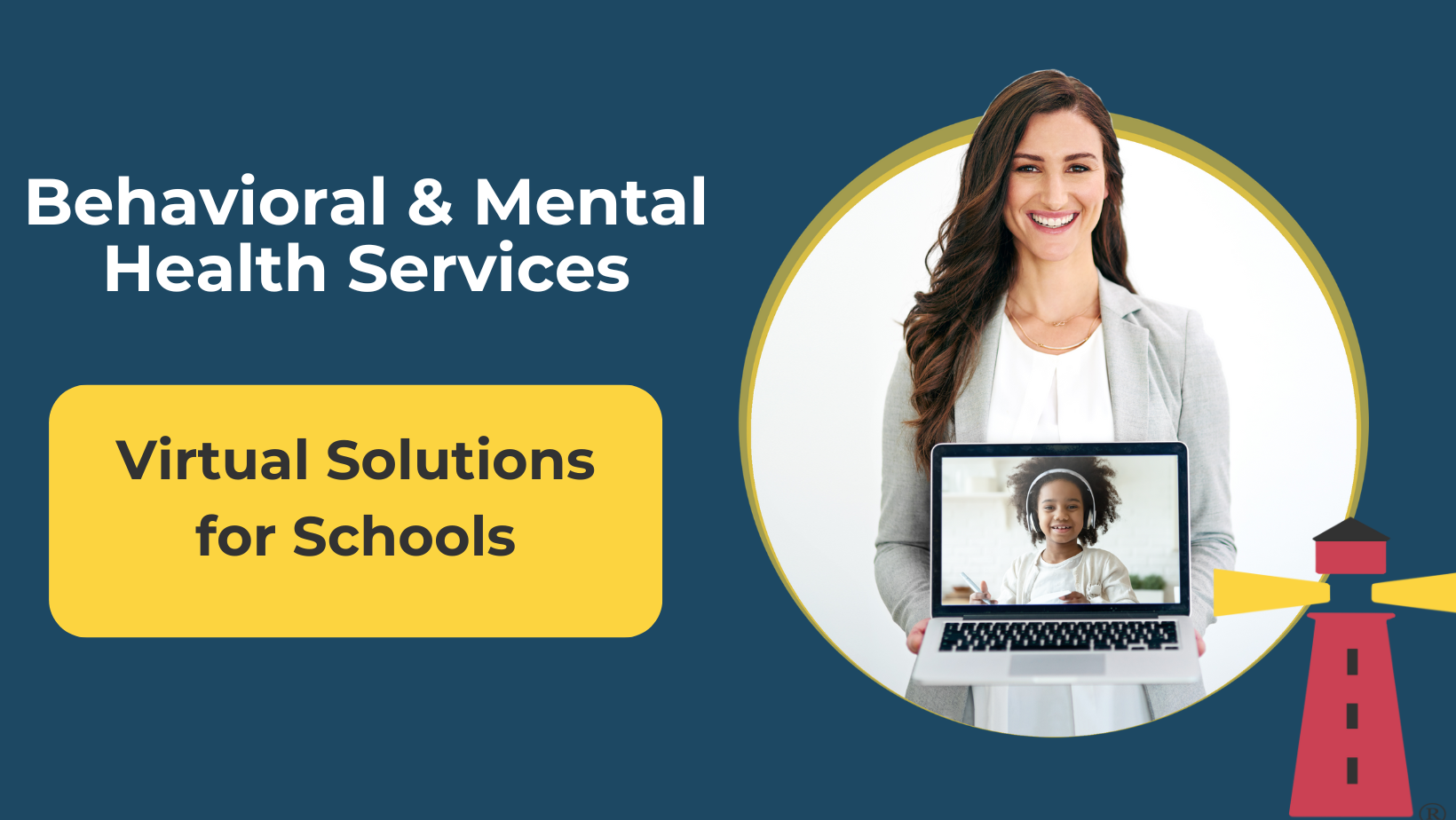
Virtual Behavioral and Mental Health for Schools
Student mental health needs have never been more urgent. In recent CDC reports, more than 40 percent of high school students said they felt persistently sad or hopeless, and nearly one in three reported poor mental health. These challenges often appear alongside behavioral concerns that disrupt learning, making timely support essential for academic and emotional growth.
Virtual behavioral and mental health services give schools a way to close the gap between what students need and the in-person resources available. These services use secure online platforms to connect students with licensed school counselors, social workers, or psychologists for individual therapy, group sessions, crisis intervention, and skill-building programs. They can also provide targeted behavioral coaching, helping students navigate challenges in and out of the classroom.
For districts, online school counseling and teletherapy for mental health are more than a short-term solution. When implemented with strong compliance measures and trained professionals, they offer consistent, high-quality support that integrates with IEPs, 504 plans, and MTSS frameworks. This combination of accessibility, privacy, and alignment with legal requirements makes virtual behavioral and mental health services an important part of a modern student support system.
Why Schools Are Turning to Virtual Behavioral and Mental Health Services
Across the country, schools are working to meet the growing demand for student mental health and behavioral support. The need is urgent, and the barriers to providing that support are real. From staffing shortages to geographic limitations, many districts are exploring virtual options to ensure that every student has access to help when it’s needed most.
The Student Mental Health Crisis
According to the American Psychological Association, nearly 60 percent of youth with major depression do not receive any mental health treatment. In schools, these unmet needs often surface as behavioral challenges, chronic absenteeism, or academic decline. Without timely intervention, students can experience a cycle of stress and disengagement that affects both their learning and their relationships.
Virtual options create a pathway for schools to address these concerns without long wait times or limited appointment slots. With behavioral health teletherapy, students can access consistent sessions, whether for ongoing counseling, targeted behavioral coaching, or immediate crisis intervention.
Staffing Shortages and Burnout
The American School Counselor Association recommends a ratio of one counselor for every 250 students, yet the national average is closer to 385 to 1. For school psychologists, the shortage is even more pronounced. Many rural and underserved areas have no access to certain specialists at all, making it difficult for students to receive needed interventions.
These shortages put additional strain on existing staff, leading to burnout and high turnover. Remote behavioral support offers a sustainable way to expand capacity. By bringing in licensed professionals through secure virtual platforms, schools can meet student needs without overloading on-site teams or relying on inconsistent outside providers.
What Services Can Be Delivered Virtually?
Virtual behavioral and mental health services offer a wide range of supports that can be delivered securely and effectively online. These services give students access to consistent care in a private setting, without the barriers of location or transportation. They can address long-term goals, short-term challenges, and urgent needs.
Individual and Group Counseling
Online school counseling provides private, one-on-one therapy sessions where students can work with a licensed counselor on issues such as emotional regulation, stress management, anxiety, and depression. These sessions are designed to fit the school schedule and can be tailored to a student’s developmental and emotional needs.
Group counseling is also possible in a virtual format, bringing together students from the same school or across different locations for peer support and skill-building. Group sessions may focus on social skills, conflict resolution, or coping strategies.
Social-Emotional Learning (SEL)
Virtual social-emotional learning programs help students develop self-awareness, build empathy, and strengthen decision-making skills. These can be delivered in small groups or whole-class settings, using interactive tools to engage students in reflection and discussion. SEL programs are often integrated into multi-tiered systems of support (MTSS) to proactively address student needs.
Behavioral Coaching and Interventions
Behavioral health teletherapy can include remote observation, functional behavioral assessments, and targeted coaching for students who need help managing behaviors that affect learning. Providers can collaborate with teachers and families to create behavior support plans and monitor progress over time.
Additional Telehealth Supports
Beyond counseling and SEL, virtual services can also include mental health screenings to identify conditions such as depression or anxiety, ongoing symptom monitoring, and referrals to specialists when needed. For students with diagnosed mental health conditions, telehealth can be used for medication prescribing, medication-assisted treatment for substance use disorders, and regular medication monitoring to track side effects or concerns.
Crisis Intervention and Follow-Up Care
When a student is in crisis, virtual services allow immediate access to trained professionals who can provide real-time support while following school or district safety protocols. Follow-up care ensures ongoing check-ins and connections to additional resources, helping students stabilize and return to learning with the right supports in place.
Benefits for Students and Schools
School telehealth services are designed to bridge the gap between student needs and available resources. By offering behavioral and mental health care virtually, districts can create more equitable access, reduce barriers to support, and improve overall outcomes for both students and the school community.
Expanding Access to Qualified Professionals
One of the most significant advantages of remote behavioral support is the ability to connect students with licensed professionals in their state, no matter where those providers are physically located. This is especially valuable for rural or underserved areas where certain specialties, such as school psychology or bilingual counseling, may not be available locally. Schools can bring in expertise without the delays and recruitment challenges that often accompany in-person hiring.
Flexible Scheduling and Delivery
Online therapy for students can be scheduled during the school day, after hours, or even during study hall periods. This flexibility helps reduce missed class time and accommodates students who may have limited availability due to extracurricular activities or family commitments. By eliminating travel time for both the student and the provider, virtual services make it easier to maintain consistent attendance and follow-through.
Increased Privacy and Comfort for Students
Some students are more likely to engage openly in a virtual environment. Secure telehealth platforms offer a discreet setting that can reduce stigma, especially for students who are hesitant to be seen visiting the counselor’s office. Virtual sessions can also take place from a private room in the school or, when appropriate, from home—allowing students to receive support in a space where they feel most comfortable.
Reducing Learning Disruptions
Virtual sessions can be integrated into a student’s day with minimal disruption. Instead of leaving campus or traveling to an outside clinic, students can log in for a scheduled appointment and return to class in minutes. This efficiency keeps instructional time intact while ensuring that students receive the behavioral or mental health support they need. Over time, fewer absences and improved classroom engagement can contribute to stronger academic performance and a healthier school climate.
Compliance and Confidentiality Considerations
When providing virtual behavioral and mental health services, schools must balance accessibility with strict adherence to privacy and legal standards. Families and staff need to know that these supports meet the same requirements as in-person care, and that student information is protected at every step.
Protecting Student Privacy
FERPA compliance is essential for any school-based service, including virtual sessions. This federal law protects the confidentiality of student education records, which can include counseling notes and teletherapy session documentation. If the provider is part of the school’s contracted services, the district must ensure that all platforms used for teletherapy meet these standards. In many cases, HIPAA for teletherapy also applies, especially when services involve licensed mental health professionals. Secure, encrypted platforms should be used to prevent unauthorized access and ensure that student mental health privacy is maintained.
Documentation and Consent
Before beginning services, schools should follow clear parental consent procedures. This includes explaining how virtual IEP services or 504 plan supports will be delivered, how progress will be documented, and what information will be shared with school staff. Accurate records should be kept within the student’s official education file, following district policy and any applicable state requirements. For students with IEPs, virtual service details should be reflected in the service delivery section to maintain compliance.
Emergency Protocols in a Virtual Setting
Crisis situations can arise during remote sessions, and having a well-defined plan in place is critical. Providers and schools should establish clear steps for handling emergencies, including contacting parents or guardians, involving on-site staff, and coordinating with local crisis response teams. These protocols ensure that even in a virtual setting, students receive immediate and appropriate help when they are in distress.
Implementation Steps for Districts
Launching or expanding virtual behavioral and mental health services requires thoughtful planning. District leaders should approach the process as they would any other critical student support initiative—by identifying needs, selecting qualified partners, and ensuring everyone involved understands their role. The goal is to create a program that is effective, compliant, and well-integrated into existing systems.
Conduct a Needs Assessment
Before introducing new services, take stock of current resources and gaps. This may involve reviewing student mental health data, analyzing IEP and 504 plan requirements, and gathering input from counselors, teachers, and families. Consider both the number of students in need and the types of support they require, whether that’s individual therapy, behavioral coaching, or social-emotional learning. A thorough needs assessment also looks at staffing challenges, such as unfilled counselor positions or limited access to specialists, which can signal where remote behavioral support will have the greatest impact.
Select the Right Provider
Not all providers are equally equipped to deliver virtual IEP services or other school-based supports. Prioritize partners who are licensed in the states where your students reside, and who have experience working in K–12 settings. This ensures they understand school schedules, special education processes, and the importance of collaboration with staff. Technology compliance is also critical—any teletherapy platform should meet FERPA and, where applicable, HIPAA requirements. Look for providers who offer secure communication tools, reliable session delivery, and clear data management policies.
Train Staff and Engage Families
Even the best program will struggle without buy-in from those using it day to day. Provide orientation sessions for teachers and counselors so they know how to make referrals, support students during sessions, and communicate with virtual providers. Families should also receive clear information on how online therapy for students works, what platforms will be used, and how privacy is protected. Offering this guidance early fosters trust and encourages participation
Why Partner with Lighthouse Therapy
Choosing the right provider for virtual related services is about more than filling a staffing gap. Schools need a partner who understands the unique demands of K–12 education and can deliver high-quality care that meets both student needs and compliance requirements. Lighthouse Therapy offers a proven approach that blends professional expertise, collaborative practices, and reliable technology to support schools every step of the way.
Licensed, School-Experienced Clinicians
Every provider on our team is licensed in the states where they serve, ensuring compliance with local regulations and eligibility to work directly with your students. Our clinicians bring relevant professional experience that prepares them to work effectively with students and educational teams. They understand the rhythms of the academic year, the importance of timely progress monitoring, and the need to align services with educational goals.
Integrated into Your Existing Teams
We see ourselves as an extension of your staff. Our providers work closely with IEP and MTSS teams, administrators, and other student support professionals to create a seamless service experience. Communication flows both ways, with regular updates and collaborative problem-solving to ensure students are receiving the most effective interventions possible.
Compliance and Documentation Support
From using secure video conferencing tools to maintaining detailed session documentation and progress reports, Lighthouse Therapy takes compliance seriously. All services are delivered in ways that meet FERPA and HIPAA requirements, while providing schools with clear, organized records for each student. This commitment to accuracy and security supports district accountability and readiness for audits or reviews.
Building a Sustainable Student Support System
Behavioral health teletherapy is a long-term strategy for strengthening school mental health services. By combining the accessibility of virtual care with the expertise of trained professionals, schools can create support systems that reach every student who needs help, regardless of location or staffing limitations.
Technology makes this work possible, but human connection is what makes it meaningful. The most successful programs are those that integrate virtual services into the life of the school, creating trust with students, families, and staff. With a thoughtful approach, districts can use these tools to build a healthier, more supportive learning environment for all.
Lighthouse Therapy is ready to help your school or district design and implement virtual behavioral and mental health services that are effective, compliant, and student-focused. Learn more about our school telehealth services and connect with our team today to start building your program.
Behavioral Health, mental health, School Counseling, school psychology, Virtual Services