

Why Teletherapy Is Becoming a Real Option for School-Based Clinicians
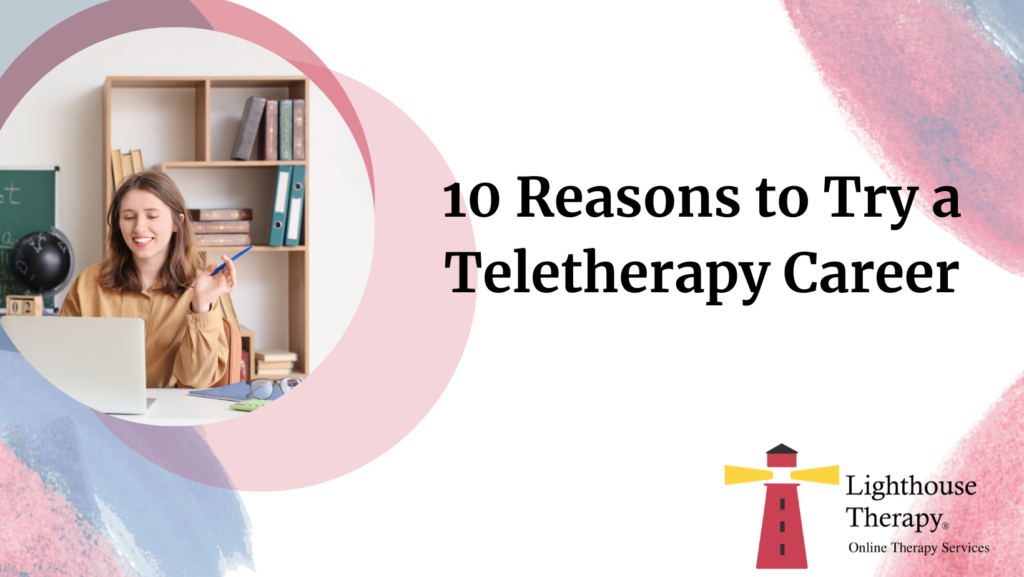
Thinking about a teletherapy career often starts as a small thought in the back of your mind. Maybe it was a long day filled with transitions, or a moment when you realized how much of your energy goes toward everything except the part of the job you love most. Many clinicians reach a point where they begin wondering whether virtual therapy jobs or remote therapy jobs could offer a better balance. That kind of curiosity is worth paying attention to.
A shift to teletherapy can change the pace of your day in a helpful way. Many clinicians find they have more space to focus on students and protect their own wellbeing. More school-based clinicians are exploring teletherapy jobs because they want calm in their schedule, steady support, and space to do meaningful work without constant interruptions.
This guide walks you through ten reasons why a virtual therapy job might be a strong fit for you. Consider it a chance to imagine what your career could look like when flexibility, support, and student progress all work together.
1. You gain back time and control in your schedule
One of the first things clinicians notice in virtual therapy jobs is how different their days feel when the commute disappears. Suddenly, those extra minutes in the morning and afternoon add up, and they often become time you can use for planning, paperwork, or simply catching your breath. In addition, remote therapy jobs remove the constant movement between classrooms and buildings, which gives you a steadier flow from session to session.
Work life balance for clinicians can feel out of reach in traditional settings. However, teletherapy changes that by giving you more influence over how your day is organized. You can build a schedule that matches your energy, your family routines, or the natural rhythm of your students. As a result, even small shifts, like having a predictable lunch or a quiet block for documentation, make a noticeable difference.
In the end, this kind of control does more than free up time. It creates space for you to do meaningful work without the constant rush, and it helps your days feel more manageable from start to finish.
2. You help students who need consistent support
Teletherapy for schools continues to grow because so many districts struggle to find and keep on-site clinicians. When vacancies stretch across months or years, students lose momentum. With school teletherapy, you can step in and provide steady services to learners who might otherwise go without support. This is often one of the most meaningful parts of shifting into virtual work.
In many rural or hard-to-staff areas, students simply do not have access to specialists. Online school therapy jobs change that by connecting qualified clinicians to districts that need reliable services. As a result, families experience fewer gaps, and teams can plan around predictable sessions rather than inconsistent coverage.
Clinicians who are driven by student progress often find this deeply motivating. You still collaborate with the same teachers, case managers, and families, and you still help students build the skills they need to communicate, learn, and participate. The difference is consistency. Teletherapy ensures students receive the support they deserve, even when their schools cannot fill every position in person.
3. You experience fewer burnout triggers
Many clinicians discover that the work itself is not the source of their stress. Instead, the pressure often comes from managing high caseloads across several schools. Traveling between buildings, rearranging schedules to fit every team’s needs, and trying to stay on top of documentation can drain your energy before the day even settles. As the workload grows and the demands stack up, the strain becomes harder to ignore, and it quietly contributes to clinician burnout in ways that add up over time.
With remote school-based clinician jobs, many of those extra duties disappear. As a result, you are able to focus on direct services, collaboration, and documentation without being pulled in several directions at once. This shift keeps your attention on students rather than building logistics, and it creates a calmer flow to the day.
In addition, teletherapy gives you clearer boundaries. When the physical movement between classrooms is removed, you have more mental space to plan, reflect, and respond thoughtfully. For many SLPs, special educators, counselors, and school psychologists, this steadier pace leads to a healthier work life and a renewed sense of purpose in the work they love.
4. Sessions stay engaging with digital tools
Teletherapy makes it easy to turn even simple activities into something students look forward to. With virtual service delivery, you can bring Boom Cards, slide decks, digital games, and shared whiteboards onto the screen in an instant. The pace feels lively, and students often lean in the moment they see their favorite activity pop up.
Online therapy activities also let you shift gears quickly. If a student needs more visuals, you can open a new deck. If they need movement, you can switch to an interactive game. If they need repetition, you can pull up a quick drill with built-in feedback. As a result, sessions feel smooth, flexible, and responsive to what each learner needs that day.
These tools also help students stay focused. Familiar buttons, bright visuals, and clear routines keep them engaged from start to finish. Many clinicians find that this kind of structure supports stronger participation and more consistent progress. It shows that teletherapy is not only possible for students, but often highly effective when the right tools are at their fingertips.
5. Caseloads feel more predictable and manageable
Many clinicians step into virtual school-based services and immediately notice how different their caseload feels. Instead of juggling multiple buildings, long travel blocks, and shifting schedules, you work from one consistent space with a clearer picture of your students and their needs. That alone brings a sense of steady rhythm to the week.
With IEP services online, planning often becomes easier too. You have built-in moments to review goals, prepare materials, and update notes without rushing to the next classroom. Communication improves as well, since teachers, case managers, and families can connect with you through shared calendars, quick messages, or virtual meetings. Everything lives in one place, and that reduces the kind of confusion that grows when teams are spread across several schools.
Remote SLP jobs and other virtual roles also tend to offer better transparency. You know your caseload numbers, your service minutes, and your expectations upfront. As a result, you can plan your sessions, documentation, and collaboration time without constant surprises. For many clinicians, that level of clarity is the difference between getting through the week and actually feeling in control of it.
6. You get steady mentorship and clinical support
When clinicians picture teletherapy, they sometimes imagine working alone behind a screen. In reality, the support can feel closer and more personal than what they experienced in a busy school hallway. With strong teletherapy support, help is never far away. You can send a quick message, hop on a call, or share a session clip, and someone who understands your work will be there to talk it through.
Virtual clinician mentorship also feels different in the best way. Instead of waiting for an occasional check-in, you have people who show up regularly, listen closely, and guide you through moments that would have felt overwhelming before. Maybe you are trying a new approach with a student, or you want feedback on a tricky goal. Maybe you need someone to help you sort out pacing or materials. Whatever the situation, you have a teammate ready to help you think it through.
At Lighthouse Therapy, this is part of the culture. The community is small enough for people to know your name, your caseload, and your strengths. Mentors and supervisors are clinicians themselves, so the guidance feels practical and human. You do not have to wait for answers or wonder who to ask. Instead, you grow with steady, real support behind you, and that makes a noticeable difference in how confident and connected you feel each day.
7. You stay healthier and protect your own wellbeing
One unexpected benefit of teletherapy is how much healthier you feel when you are not constantly exposed to every seasonal bug moving through a school building. For many clinicians, the cycle of catching colds, losing your voice, and trying to push through sessions becomes a regular part of the year. Working virtually creates a healthier buffer. You still show up fully for students, but you are not spending your day in crowded hallways or shared spaces where germs spread quickly.
In addition to fewer sick days, remote work gives you more room to take care of yourself. You can drink water between sessions, stretch, reset your materials, or take a short moment to breathe before jumping into the next task. These small shifts sound simple, yet they often make a noticeable difference in how steady you feel from week to week.
Over time, this healthier pace helps you protect the energy you need for students. You show up clearer, more focused, and more present, because you are not constantly recovering from whatever is going around the building. For many clinicians, this is a major reason teletherapy feels sustainable in the long run.
8. You can work from anywhere with strong internet
Remote therapy jobs give you more flexibility in how you structure your day. You can set up a consistent home workspace, avoid long commutes, and create an environment that supports focused, uninterrupted sessions. For many clinicians, this shift leads to smoother days and a more manageable routine.
There is one key rule to understand before getting started. In most school-based settings, both the therapist and the student must be physically located in the state where the therapist holds an active license. For example, if you hold a California license, you and your student must both be in California during each session. This protects students and ensures the work meets state regulations.
Once that requirement is met and your internet is reliable, you have flexibility in choosing a workspace within your licensed state. Some clinicians remain fully remote at home, while others set up in different locations as long as they stay inside state lines. Hybrid therapy careers are also possible for clinicians who want a mix of in-person and virtual work. With clear boundaries and the right setup, teletherapy becomes a practical and sustainable way to support students while working in a way that fits your life.
9. You have room to grow in ways that match your goals
Telepractice careers give clinicians space to shape the direction of their work. When your sessions are organized, your caseload is manageable, and your schedule has built-in room to think, you finally have the bandwidth to decide what you want next. Some clinicians use this time to deepen their clinical skills, while others focus on leadership, supervision, or supporting newer therapists who are learning the virtual model.
Online therapy jobs also make it easier to explore areas you may not have had time for in a busy building environment. You might work toward a bilingual specialty, strengthen your skills with a certain population, or take on training opportunities that fit your interests. Many SLP teletherapy clinicians also choose to step into mentoring or lead small teams when they feel ready.
This kind of growth does not require a major career shift. It develops naturally when your workday feels steady and your workload is under control. Over time, you can build a path that feels aligned with your strengths, your goals, and the direction you want your career to take.
10. You join a community that values clinicians first
Some teletherapy companies for schools feel large and disconnected, which leaves clinicians managing questions, tech issues, and caseload challenges on their own. A strong virtual therapy job should feel very different. When the team puts clinicians at the center, the work becomes steadier, clearer, and far more sustainable. You feel supported not because you asked for help, but because the structure is built with your needs in mind.
At Lighthouse Therapy, this is intentional. The company is SLP-owned, which means decisions come from people who understand the realities of school teletherapy and the pressure clinicians carry every day. There are no investors shaping priorities or pushing for rapid expansion, so the focus stays on quality care and clinician wellbeing. The community is small enough for people to know your name, your caseload, and the kind of support you need to do your best work.
You also get practical help that makes a real difference. Indirect time is paid. Tech support is in-house and easy to reach. Supervisors and mentors are clinicians, not administrators removed from the work. As a result, you do not feel like one provider among hundreds. You feel like part of a team that wants you to succeed and treats you like a professional whose time and expertise matter.
For many clinicians, this kind of environment is the reason virtual work feels not only possible, but genuinely rewarding.
What to Know Before You Start
If you are thinking about how to start teletherapy, it helps to know that the actual setup is more manageable than many clinicians expect. You do not need an elaborate studio or expensive gear. Most clinicians begin with a reliable laptop, a strong internet connection, and a few simple tools to keep sessions organized. A good headset, an external mouse, and a second monitor can make your day smoother, but they are optional until you decide what fits your workflow.
HIPAA compliant teletherapy also requires a private space where sessions cannot be overheard. For some clinicians, this is a home office. For others, it is a quiet corner with a door and consistent lighting. The goal is steady audio, low distractions, and a setup that helps students stay focused. You will also want a secure platform approved by your state or district, but most programs provide access to this during onboarding.
Before beginning, it is also helpful to gather digital materials you already use. Slide decks, PDFs, and interactive activities translate well to virtual sessions and help you start strong. Licensure remains the most important step, so always confirm your license matches the state where your student is located. When these pieces are in place, you are ready to begin teletherapy with confidence and a clear plan.
Conclusion: Choosing a Career With Purpose and Flexibility
A teletherapy career gives many clinicians the balance they have been missing. You can support students in meaningful ways while building a routine that protects your time, energy, and wellbeing. For some, it becomes a path toward long-term sustainability. For others, it offers a fresh start after years of feeling stretched too thin.
Virtual therapy jobs and remote therapy jobs also open the door to new possibilities. You can create a workspace that fits your life, deepen your skills, and connect with a supportive community that cares about the work you do. If you are looking for a way to stay in the profession while feeling more grounded, teletherapy can offer that shift.
If you want to explore what this could look like with a team that values clinicians first, Lighthouse Therapy welcomes you to learn more, connect with our community, and see whether our approach feels like the right next step.