

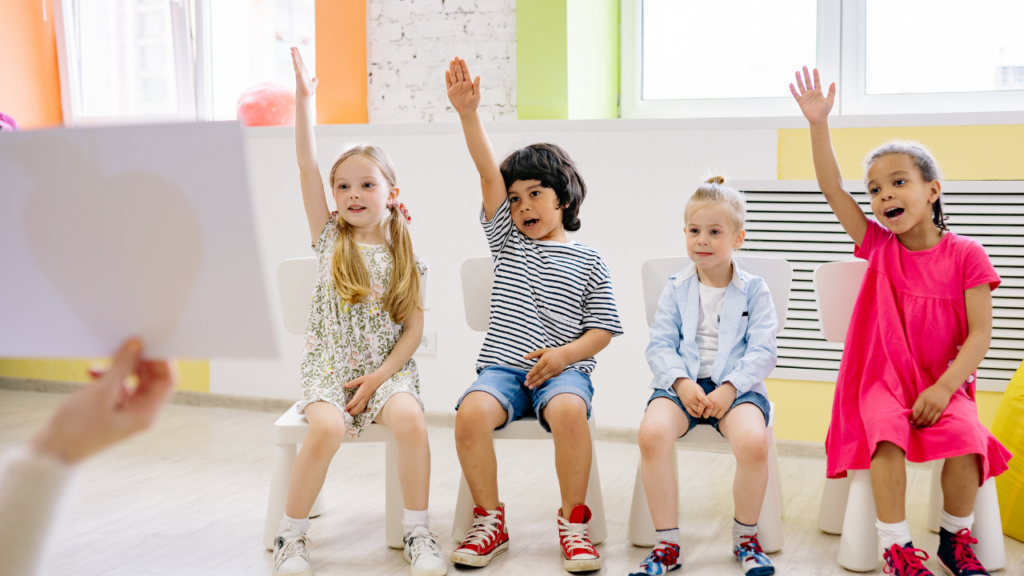
If you spend enough time in a classroom, you quickly see how closely behavior and learning are connected. A student may know the material, but if they are calling out, struggling to stay seated, or feeling overwhelmed by frustration, it becomes much harder for them to fully participate in instruction. Likewise, students who are still developing self-regulation or social skills may find it difficult to complete tasks, follow directions, or work alongside peers.
This is where well-written behavior IEP goals can make a meaningful difference. Instead of focusing only on correcting behavior, strong goals help students build the skills that allow them to succeed in the classroom. Over time, students learn how to manage their reactions, stay engaged with learning, and navigate classroom expectations with more confidence.
The behavior IEP goals below are designed to support special education teams as they write clear, measurable goals that target real classroom challenges. From self-regulation and task completion to following directions and positive peer interactions, these examples can be adapted to meet the needs of individual students and learning environments.
How to Write Effective Behavior IEP Goals
Writing behavior IEP goals can sometimes feel overwhelming. Many teams know the behavior they want to improve, but turning that concern into a clear, measurable goal takes a bit more structure. Strong behavior goals should help teams track progress over time while also giving students a clear path toward building new skills. With that in mind, most effective behavior goals share a few important elements.
Measurable Behavior
First, behavior IEP goals should focus on behaviors that can be clearly observed and measured. Vague phrases such as “improve behavior” or “demonstrate better self-control” make it difficult to track progress and determine whether the student is meeting the goal. Instead, goals should describe specific actions that teachers and therapists can see and count.
For example, rather than writing that a student will “behave appropriately in class,” a measurable goal might state that the student will raise their hand before speaking, remain seated during instruction, or follow classroom rules during group activities. When the behavior is clearly defined, the entire IEP team can monitor progress using the same expectations.
Baseline Data
Before writing a behavior goal, it is helpful to understand the student’s current level of performance. This starting point is often called baseline data. Baseline information may come from teacher observations, behavior logs, classroom data, or behavior assessments.
For instance, a teacher might note that a student currently leaves their seat without permission six to eight times during a class period. With that information, the team can write a goal that aims to reduce the frequency of the behavior over time. Baseline data provides important context because it helps teams set goals that are both realistic and meaningful for the student.
Progress Monitoring
Behavior goals should also include a plan for monitoring progress. Progress monitoring allows teachers and service providers to collect data regularly so they can see whether a student is improving, staying the same, or needing additional support.
Schools may use several simple methods to track behavior goals. These might include frequency counts, checklists, behavior charts, or teacher observations recorded throughout the day. Over time, this data helps the IEP team make informed decisions about whether the goal is effective or whether adjustments are needed.
SMART Goals
Finally, many special education teams rely on the SMART goal framework when writing behavior goals. SMART goals help ensure that goals are clear, structured, and measurable.
In general, SMART goals are:
- Specific, meaning the behavior being targeted is clearly defined
- Measurable, so progress can be tracked through data or observation
- Achievable, meaning the goal is realistic for the student’s current level
- Relevant, connecting directly to classroom participation or learning
- Time-bound, with a defined timeframe for achieving the goal
When these elements come together, behavior IEP goals become much easier to monitor and support. Clear goals allow teachers, therapists, and families to work toward the same outcomes while giving students the guidance they need to build positive classroom behaviors.
Behavior IEP Goals for Classroom Behavior
Classroom behavior plays an important role in a student’s ability to participate in instruction and engage with learning. When students struggle with behaviors such as calling out, leaving their seat frequently, or interrupting instruction, it can make it harder for them to stay focused and for teachers to maintain a productive learning environment. Well-written behavior IEP goals help students build the skills needed to follow classroom expectations, participate appropriately, and remain engaged throughout the school day.
The behavior IEP goals below focus on common classroom expectations such as staying seated, raising a hand before speaking, reducing disruptions, and following classroom rules. These examples can be adapted based on the student’s age, classroom setting, and current level of performance.
Goal Examples
- By the end of the school year, when given classroom instruction, the student will remain seated in their assigned area for at least 15 consecutive minutes with no more than one teacher prompt in 4 out of 5 observed opportunities.
- By the end of the semester, during whole group instruction, the student will raise their hand and wait to be called on before speaking in 4 out of 5 classroom opportunities as measured by teacher observation.
- By the end of the trimester, during class discussions, the student will wait to be recognized before speaking rather than calling out in 4 out of 5 opportunities across two consecutive weeks.
- By the end of the school year, when participating in classroom activities, the student will follow established classroom rules with no more than one verbal reminder in 4 out of 5 observed opportunities.
- By the end of the semester, the student will reduce disruptive classroom behaviors such as calling out, making unrelated comments, or interrupting instruction to fewer than two incidents per class period in 4 out of 5 monitored days.
- By the end of the school year, when given a classroom expectation or rule, the student will follow the direction within 10 seconds without engaging in disruptive behavior in 4 out of 5 opportunities.
- By the end of the trimester, the student will participate appropriately during whole group instruction by remaining quiet and attentive while others are speaking in 4 out of 5 observed classroom activities.
- By the end of the school year, when transitioning between classroom activities, the student will follow teacher instructions and move to the next activity without disrupting others in 4 out of 5 opportunities.
- By the end of the semester, during independent work time, the student will remain in their designated workspace and avoid distracting peers in 4 out of 5 observed class periods.
- By the end of the school year, the student will demonstrate appropriate classroom participation by contributing relevant comments during discussions and refraining from unrelated interruptions in 4 out of 5 opportunities.
- By the end of the trimester, when classroom expectations are reviewed, the student will demonstrate understanding by following the stated rules during the activity in 4 out of 5 observed opportunities.
- By the end of the semester, the student will reduce instances of leaving their seat without permission to no more than one time per class period in 4 out of 5 monitored days.
- By the end of the school year, the student will remain engaged during teacher-led instruction by maintaining attention to the lesson and avoiding disruptive behaviors in 4 out of 5 classroom observations.
- By the end of the trimester, during group learning activities, the student will follow classroom behavior expectations and avoid interrupting peers in 4 out of 5 opportunities.
- By the end of the semester, when reminded of classroom expectations, the student will adjust their behavior and follow directions within one prompt in 4 out of 5 observed opportunities.
These behavior IEP goals help support students as they build the classroom participation skills needed for successful learning and positive interactions with teachers and peers. Teams can adjust the timeframe, prompts, and expectations to reflect each student’s individual needs and classroom environment.
Behavior IEP Goals for Self-Regulation
Self-regulation is an important skill that helps students manage their emotions, reactions, and behavior throughout the school day. Many students receiving special education services benefit from explicit instruction and support in learning how to recognize their feelings, cope with frustration, and respond appropriately to challenging situations. When students develop stronger self-regulation skills, they are often better able to remain engaged in learning, participate in classroom activities, and interact positively with peers and teachers.
Self-regulation IEP goals often focus on helping students identify emotions, use coping strategies, request support when needed, and return to learning after becoming upset or overwhelmed. These goals can be especially helpful for students who experience difficulty managing frustration, anxiety, or emotional reactions during academic tasks or social situations.
The following self-regulation behavior IEP goals can be adapted based on student needs, age, and classroom expectations.
Goal Examples
- By the end of the school year, when experiencing frustration during classroom activities, the student will use a taught coping strategy such as deep breathing, counting, or requesting a break in 4 out of 5 observed opportunities.
- By the end of the semester, the student will identify their emotional state using appropriate vocabulary such as frustrated, upset, or overwhelmed and communicate that feeling to a teacher or staff member in 4 out of 5 opportunities.
- By the end of the school year, when feeling overwhelmed during academic tasks, the student will appropriately request a break using verbal language, a break card, or another agreed-upon signal in 4 out of 5 observed opportunities.
- By the end of the trimester, the student will use a designated calming strategy, such as deep breathing or quiet time, to regulate emotional responses following frustration in 4 out of 5 observed situations.
- By the end of the semester, the student will return to a classroom task within five minutes after using a coping strategy in 4 out of 5 observed opportunities.
- By the end of the school year, when presented with a challenging task, the student will demonstrate appropriate coping behaviors rather than engaging in disruptive behavior in 4 out of 5 observed classroom situations.
- By the end of the trimester, when experiencing frustration with peers, the student will use a taught strategy such as asking for help or walking away instead of engaging in negative behavior in 4 out of 5 opportunities.
- By the end of the school year, the student will demonstrate the ability to pause and use a self-regulation strategy before responding when feeling upset in 4 out of 5 observed situations.
- By the end of the semester, when given a teacher prompt, the student will select and use a learned calming strategy from a visual or verbal list in 4 out of 5 observed opportunities.
- By the end of the school year, the student will remain calm and use an appropriate coping strategy when faced with minor changes in routine in 4 out of 5 observed opportunities.
- By the end of the trimester, the student will demonstrate the ability to return to learning activities after becoming upset within five minutes in 4 out of 5 opportunities.
- By the end of the school year, the student will independently recognize signs of frustration and use a previously taught coping strategy before escalation in 4 out of 5 observed opportunities.
- By the end of the semester, the student will appropriately express feelings of frustration or stress using words rather than disruptive behavior in 4 out of 5 classroom opportunities.
- By the end of the school year, when receiving corrective feedback, the student will respond appropriately without emotional escalation in 4 out of 5 observed opportunities.
- By the end of the trimester, the student will demonstrate improved emotional regulation by using coping strategies to remain engaged in classroom activities in 4 out of 5 observed opportunities.
These behavior IEP goals help students build the emotional awareness and coping skills needed to navigate challenging situations in the classroom. Over time, stronger self-regulation skills can support improved classroom participation, stronger peer relationships, and greater independence during learning activities.
Behavior IEP Goals for Task Completion
Task completion is an important skill that supports classroom participation and academic progress. Some students may struggle to begin assignments, remain focused, or persist when tasks become difficult. Behavior IEP goals can help students build the skills needed to start work independently, stay engaged during learning activities, and complete assignments with appropriate effort. The following goals focus on improving task initiation, on-task behavior, and persistence during classroom tasks.
Goal Examples
- By the end of the school year, when given a classroom assignment, the student will begin the task within one minute of instruction without additional prompting in 4 out of 5 observed opportunities.
- By the end of the semester, during independent work periods, the student will remain on task for at least 10 consecutive minutes with no more than one teacher prompt in 4 out of 5 classroom observations.
- By the end of the school year, the student will complete assigned classroom tasks within the allotted time in 4 out of 5 opportunities as measured by teacher data collection.
- By the end of the trimester, when given multi-step assignments, the student will complete all required steps with no more than one reminder in 4 out of 5 opportunities.
- By the end of the semester, the student will demonstrate independent task initiation by beginning assigned work without avoidance behaviors in 4 out of 5 classroom opportunities.
- By the end of the school year, during teacher-directed activities, the student will maintain engagement and remain on task for the duration of the activity in 4 out of 5 opportunities.
- By the end of the trimester, the student will complete classroom assignments with appropriate effort and accuracy in 4 out of 5 monitored work sessions.
- By the end of the semester, when presented with a challenging task, the student will continue working for at least five minutes before requesting assistance in 4 out of 5 opportunities.
- By the end of the school year, the student will use classroom supports such as visual schedules or task checklists to complete assignments in 4 out of 5 opportunities.
- By the end of the trimester, the student will demonstrate persistence during academic tasks by remaining engaged and avoiding task refusal behaviors in 4 out of 5 classroom observations.
- By the end of the school year, when provided with teacher directions, the student will begin work independently and complete the assigned task in 4 out of 5 observed opportunities.
- By the end of the semester, the student will remain focused during independent work periods and avoid off-task behaviors such as talking, wandering, or playing with materials in 4 out of 5 opportunities.
- By the end of the school year, when given a classroom assignment, the student will complete at least 80 percent of the task within the designated time in 4 out of 5 opportunities.
- By the end of the trimester, the student will demonstrate improved task persistence by continuing to work through minor difficulties without abandoning the assignment in 4 out of 5 opportunities.
- By the end of the school year, the student will follow a teacher-provided task sequence to complete multi-step assignments independently in 4 out of 5 observed opportunities.
Could your team use a little more support?
Whether you’re filling a staffing gap or planning ahead, find the therapy and SPED services that fit your school’s needs.
Behavior IEP Goals for Following Directions
Following directions is a key classroom skill that supports learning, transitions, and daily routines. Some students may struggle to respond to teacher prompts, follow multi-step instructions, or move smoothly between activities during the school day. Behavior IEP goals can help students build the skills needed to listen to directions, respond appropriately to adult guidance, and transition between tasks with fewer reminders.
The following goals focus on helping students follow teacher instructions, respond to prompts, and transition successfully between classroom activities.
Goal Examples
- By the end of the school year, when given a verbal direction by a teacher, the student will follow the instruction within 10 seconds with no more than one reminder in 4 out of 5 observed opportunities.
- By the end of the semester, when given a two-step direction during classroom activities, the student will complete both steps correctly in 4 out of 5 opportunities as measured by teacher observation.
- By the end of the trimester, when given a multi-step direction, the student will follow the steps in the correct order with no more than one prompt in 4 out of 5 opportunities.
- By the end of the school year, when a teacher provides a prompt or redirection, the student will respond appropriately and adjust behavior in 4 out of 5 classroom opportunities.
- By the end of the semester, during transitions between classroom activities, the student will move to the next activity within two minutes without disruptive behavior in 4 out of 5 observed transitions.
- By the end of the school year, the student will follow teacher directions during classroom routines such as lining up, cleaning up, or preparing materials in 4 out of 5 opportunities.
- By the end of the trimester, when given instructions during group activities, the student will follow the direction without refusing or delaying the task in 4 out of 5 opportunities.
- By the end of the semester, the student will transition between classroom activities with no more than one verbal prompt in 4 out of 5 observed transitions.
- By the end of the school year, when given a teacher cue or signal, the student will stop the current activity and attend to the teacher within five seconds in 4 out of 5 opportunities.
- By the end of the trimester, when provided with verbal or visual directions, the student will follow the instructions without additional prompting in 4 out of 5 classroom opportunities.
- By the end of the school year, during classroom routines, the student will follow teacher instructions the first time they are given in 4 out of 5 observed opportunities.
- By the end of the semester, when transitioning from preferred to non-preferred activities, the student will follow teacher directions without refusal behaviors in 4 out of 5 opportunities.
- By the end of the school year, the student will demonstrate improved responsiveness to teacher prompts by following instructions with no more than one reminder in 4 out of 5 classroom observations.
- By the end of the trimester, when given a direction during instructional time, the student will begin the requested task within 10 seconds in 4 out of 5 opportunities.
- By the end of the school year, the student will complete classroom routines independently after receiving teacher directions in 4 out of 5 observed opportunities.
These behavior IEP goals support students in developing the listening, attention, and responsiveness skills needed to participate successfully in classroom routines and instructional activities.
Behavior IEP Goals for Social Behavior
Social behavior skills help students interact positively with peers and adults throughout the school day. Some students may need additional support to develop skills such as taking turns, respecting personal space, managing disagreements, or responding appropriately to feedback. Behavior IEP goals can help students build these social skills so they can participate successfully in group activities, classroom discussions, and everyday interactions.
Goal Examples
- By the end of the school year, during classroom or playground interactions, the student will engage in appropriate peer interactions such as taking turns, sharing materials, or using respectful language in 4 out of 5 observed opportunities.
- By the end of the semester, the student will maintain appropriate personal space when interacting with peers during classroom activities in 4 out of 5 observed opportunities.
- By the end of the trimester, when working in a group, the student will participate cooperatively by listening to peers and responding respectfully in 4 out of 5 observed activities.
- By the end of the school year, when a disagreement occurs with a peer, the student will use a taught strategy such as asking for help, using calm language, or walking away in 4 out of 5 observed situations.
- By the end of the semester, the student will demonstrate appropriate conversational behavior with peers, such as taking turns speaking and staying on topic, in 4 out of 5 observed opportunities.
- By the end of the school year, when receiving corrective feedback from a teacher, the student will respond appropriately without arguing or escalating behavior in 4 out of 5 opportunities.
- By the end of the trimester, the student will use respectful language when interacting with peers during classroom activities in 4 out of 5 observed opportunities.
- By the end of the school year, during group activities, the student will contribute to the task without interrupting peers in 4 out of 5 observed opportunities.
- By the end of the semester, when asked to share materials or take turns, the student will do so appropriately in 4 out of 5 opportunities.
- By the end of the school year, the student will demonstrate appropriate peer interaction by responding to peers with respectful words and tone in 4 out of 5 classroom observations.
- By the end of the trimester, when experiencing frustration with peers, the student will use a taught conflict resolution strategy in 4 out of 5 observed situations.
- By the end of the school year, the student will maintain appropriate body language and personal boundaries during peer interactions in 4 out of 5 observed opportunities.
- By the end of the semester, the student will respond to teacher feedback by adjusting behavior rather than engaging in argumentative or disruptive responses in 4 out of 5 opportunities.
- By the end of the school year, during cooperative learning tasks, the student will work with peers respectfully and follow group expectations in 4 out of 5 observed activities.
- By the end of the trimester, the student will demonstrate appropriate social behavior during unstructured times such as recess or group work in 4 out of 5 observed opportunities.
- By the end of the school year, the student will ask peers for help or clarification appropriately during group activities in 4 out of 5 opportunities.
- By the end of the semester, the student will demonstrate appropriate responses to peer comments or suggestions without negative reactions in 4 out of 5 observed opportunities.
- By the end of the school year, the student will demonstrate improved peer interaction skills by participating respectfully in classroom discussions and group tasks in 4 out of 5 opportunities.
Tracking Progress on Behavior IEP Goals
Writing behavior IEP goals is only one part of the process. Equally important is tracking progress to determine whether the student is developing the targeted skills and responding to supports. Consistent progress monitoring allows teachers, therapists, and IEP teams to identify patterns, adjust interventions when needed, and ensure the student is moving toward their goals.
Many schools use a combination of simple data collection methods to monitor behavior goals. Teacher observation is often the starting point. Educators can document when behaviors occur, how frequently they happen, and what supports were effective in helping the student respond appropriately. These observations provide valuable insight into how the student is performing across different classroom situations.
Behavior charts are another common tool used to monitor behavior goals. Daily or weekly charts can help track progress toward specific behaviors such as remaining on task, following directions, or using coping strategies. These charts can also help students become more aware of their own behavior and celebrate progress as new skills develop.
Teams may also use frequency counts to measure how often a behavior occurs during a set period of time. For example, teachers might track how many times a student calls out during a class period or how often they leave their seat without permission. Over time, this data helps determine whether the behavior is improving and whether the current strategies are effective.
By collecting and reviewing behavior data regularly, IEP teams can make informed decisions about instruction, supports, and goal adjustments. This ongoing monitoring helps ensure that behavior IEP goals remain meaningful, measurable, and supportive of the student’s success in the classroom.
Additional IEP Goal Resources for Special Education Teams
Writing IEP goals can take time, especially when teams are trying to balance compliance requirements with the individual needs of each student. Goal banks can be a helpful starting point, giving educators and clinicians examples that can be adapted to fit specific classroom situations and student abilities.
If you are looking for additional support when writing goals, Lighthouse Therapy offers a growing collection of IEP goal banks and special education resources designed for busy educators and clinicians. You can explore additional guides that focus on areas such as executive functioning goals, ADHD IEP goals, reading comprehension goals, and math IEP goals.
These resources are designed to help teams find practical goal examples while still allowing them to customize goals based on student strengths, baseline data, and classroom expectations. Explore the Lighthouse Therapy resource library to find more tools that support effective IEP development and student success.